
Details
Address & Contact
Falmouth
Cornwall
TR11 4PA
United Kingdom
Sorry, no records were found. Please adjust your search criteria and try again.
Sorry, unable to load the Maps API.
Gylly Beach Cafe Falmouth Review: Eating by Gyllyngvase Beach
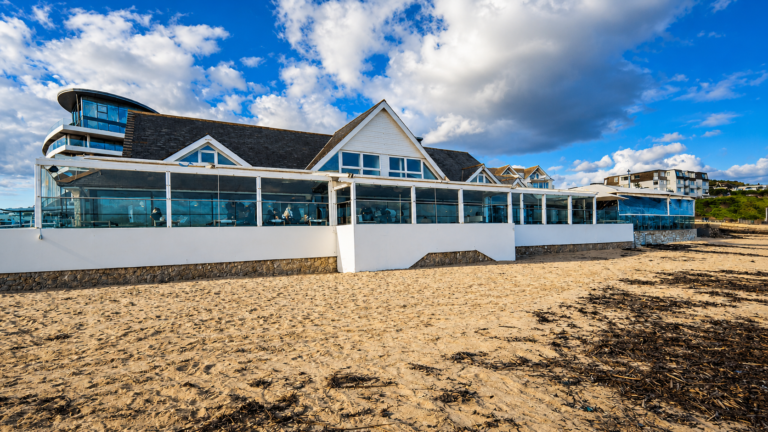
Gylly Beach Cafe in Falmouth is one of those places people find because of the view, then keep using because it makes a Gyllyngvase Beach day easier. It sits right on the beach, with the sea in front, Pendennis Castle across the bay, and enough food and drink options to make it more than a quick coffee stop.
My view is simple: if you are planning time around Gyllyngvase Beach, Gylly Beach Cafe is the place I’d build the visit around. Not because it is hidden or low-key, but because it is practical, scenic and genuinely useful.
Gylly works because it keeps you by the beach without making the day feel improvised.
Quick verdict
Gylly Beach Cafe is absolutely worth considering if you want a proper beachfront cafe in Falmouth with sit-down food, takeaway options and easy access to the beach. It is not the quietest or most tucked-away Cornwall choice, so go for the right reason: a polished, popular beach cafe that makes a Falmouth day run smoothly.
What makes Gylly Beach Cafe work
Gyllyngvase Beach is one of Falmouth’s easiest beaches to use. You are close to town, close to the seafront and close enough to Falmouth Town station for a car-free visit to make sense. In Cornwall, that combination is not as common as it should be.
The cafe’s strength is its position. It is not “near” the beach in the loose tourist-board sense. It is part of the beach. You can swim, walk, sit down for food, pick up something from the takeaway side, or stay into the evening without breaking the rhythm of the day.
That is why Gylly Beach Cafe works better as a base than as a rushed stop. Give it space in the plan and it becomes much more useful.
Food, drinks and the Snacker takeaway
Gylly has separate menus for breakfast, lunch, dinner, kids and drinks, so it covers more ground than a standard beach cafe. I would not plan a visit around one exact dish, because menus change, but the setup gives you options across the day.
The takeaway side, known as the Snacker, is one of the most useful parts of the whole place. It covers the beach-day basics: ice cream, hot drinks, cold drinks, cakes and snacks. That gives you two ways to use Gylly:
- Sit down properly for breakfast, lunch, dinner or drinks.
- Keep it casual with a takeaway when the beach is the main event.
That flexibility is the reason I rate it. Not every beach visit needs a full meal, but it helps when the full meal is there if you want it.
The supplier list also has proper Cornish and Westcountry names on it, including Roskilly’s Ice Cream, Cornish Coffee, St Ewe eggs, Healeys and Westcountry Fruit & Veg. I like seeing that in a place this visible. Cornwall is not just a backdrop, and a busy beachfront cafe should be tied into the place around it.
When I’d use Gylly Beach Cafe
I would use Gylly Beach Cafe in three main ways.
For a first Falmouth beach day
If you are visiting Falmouth and want the easy version of a beach day, Gylly is a strong choice. You get sea, food, views and town access without turning the day into a logistical puzzle.
After a swim or seafront walk
This is one of the best ways to use it. Swim, walk, dry off, then land somewhere warm with a view. That is exactly the kind of simple Cornwall day Gylly is good at supporting.
For dinner by the water
Dinner is the meal I would be most likely to plan ahead. If you have a particular evening in mind, book rather than relying on luck. The setting does a lot of work once the day slows down.
Getting there, parking and bookings
Gylly Beach Cafe is on Gyllyngvase Beach, Cliff Road, Falmouth, TR11 4PA.
By train, Falmouth Town station is the useful stop, with a short walk towards Gyllyngvase Beach. By car, follow signs for the beaches as you come into Falmouth.
The main caveat is parking. Gylly does not have its own car park, so you are relying on nearby public parking or roadside spaces. In peak summer, do not treat that as a tiny detail. Parking, queues and busy roads can shape the day more than the view.
For dinner bookings, use the proper table-booking route or phone the cafe. The general contact form is not for table reservations.
Quick planning notes:
- Best for: Gyllyngvase Beach days, post-swim food, relaxed lunches, dinner by the sea
- Primary keyword fit: Gylly Beach Cafe Falmouth, Gyllyngvase Beach cafe, beach cafe Falmouth
- Strongest practical feature: sit-down cafe plus takeaway
- Main caveat: no dedicated car park
- Good car-free option: train to Falmouth Town, then walk
- Useful extra: the SwimCam can help you judge the beach before heading down
What to pair it with nearby
Gylly Beach Cafe sits in a useful part of Falmouth, so I would not treat it as a one-stop visit unless time is tight.
Good pairings include:
- Gyllyngvase Beach itself for a swim, paddle or slow beach hour.
- Falmouth seafront for an easy walk before or after eating.
- Pendennis Castle area if you want more of a coastal wander.
- Swanpool Beach if you fancy continuing along the coast path.
That is one of the advantages of Gylly over more isolated beach cafes. You can make a full Falmouth half-day around it without forcing the plan.
Who Gylly Beach Cafe suits
Gylly suits people who want the beach and the meal to feel part of the same outing. It is especially useful if you are visiting Falmouth for the first time, planning a Gyllyngvase Beach day, or want somewhere that can handle more than one type of stop.
It is less suited to anyone chasing a silent, tucked-away Cornwall moment. There are better places for that. Gylly is a known, well-used, beachfront cafe in one of Falmouth’s most popular spots.
That is part of the appeal. You are not going for mystery. You are going because the location, food options and practical setup make sense together.
FAQs about Gylly Beach Cafe, Falmouth
Is Gylly Beach Cafe right on Gyllyngvase Beach?
Yes. Gylly Beach Cafe sits directly on Gyllyngvase Beach in Falmouth, so it works well as part of a beach day rather than a separate food stop.
Can you book Gylly Beach Cafe for dinner?
Yes. Dinner is the meal I would be most likely to book ahead for, especially if you want a specific evening. Use the proper booking route or phone the cafe rather than the general contact form.
Does Gylly Beach Cafe have parking?
Gylly Beach Cafe does not have its own car park. Use nearby public parking or roadside spaces, and leave more time in busy periods.
Is there takeaway at Gylly Beach Cafe?
Yes. The Snacker takeaway side is useful for ice cream, drinks, cakes and snacks when you want to stay beach-focused rather than sit down for a full meal.
Is Gylly Beach Cafe good without a car?
Yes, if you are happy with a short walk. Falmouth Town station is the most useful train stop for Gyllyngvase Beach.
My Pasties & Pints verdict
Gylly Beach Cafe is one of the safest Falmouth recommendations I can make for a beach-focused day. It is scenic without being flimsy, practical without being dull, and useful across more than one kind of visit.
Go for the beach, use the cafe properly, and give the visit enough space in the day. That is when Gylly makes the most sense.
Gylly Beach Cafe Falmouth Review: Eating by Gyllyngvase Beach
Gylly Beach Cafe in Falmouth is one of those places people find because of the view, then keep using because it makes a Gyllyngvase Beach day easier. It sits right on the beach, with the sea in front, Pendennis Castle across the bay, and enough food and drink options to make it more than a quick coffee stop.
My view is simple: if you are planning time around Gyllyngvase Beach, Gylly Beach Cafe is the place I’d build the visit around. Not because it is hidden or low-key, but because it is practical, scenic and genuinely useful.
Gylly works because it keeps you by the beach without making the day feel improvised.
Quick verdict
Gylly Beach Cafe is absolutely worth considering if you want a proper beachfront cafe in Falmouth with sit-down food, takeaway options and easy access to the beach. It is not the quietest or most tucked-away Cornwall choice, so go for the right reason: a polished, popular beach cafe that makes a Falmouth day run smoothly.
What makes Gylly Beach Cafe work
Gyllyngvase Beach is one of Falmouth’s easiest beaches to use. You are close to town, close to the seafront and close enough to Falmouth Town station for a car-free visit to make sense. In Cornwall, that combination is not as common as it should be.
The cafe’s strength is its position. It is not “near” the beach in the loose tourist-board sense. It is part of the beach. You can swim, walk, sit down for food, pick up something from the takeaway side, or stay into the evening without breaking the rhythm of the day.
That is why Gylly Beach Cafe works better as a base than as a rushed stop. Give it space in the plan and it becomes much more useful.
Food, drinks and the Snacker takeaway
Gylly has separate menus for breakfast, lunch, dinner, kids and drinks, so it covers more ground than a standard beach cafe. I would not plan a visit around one exact dish, because menus change, but the setup gives you options across the day.
The takeaway side, known as the Snacker, is one of the most useful parts of the whole place. It covers the beach-day basics: ice cream, hot drinks, cold drinks, cakes and snacks. That gives you two ways to use Gylly:
- Sit down properly for breakfast, lunch, dinner or drinks.
- Keep it casual with a takeaway when the beach is the main event.
That flexibility is the reason I rate it. Not every beach visit needs a full meal, but it helps when the full meal is there if you want it.
The supplier list also has proper Cornish and Westcountry names on it, including Roskilly’s Ice Cream, Cornish Coffee, St Ewe eggs, Healeys and Westcountry Fruit & Veg. I like seeing that in a place this visible. Cornwall is not just a backdrop, and a busy beachfront cafe should be tied into the place around it.
When I’d use Gylly Beach Cafe
I would use Gylly Beach Cafe in three main ways.
For a first Falmouth beach day
If you are visiting Falmouth and want the easy version of a beach day, Gylly is a strong choice. You get sea, food, views and town access without turning the day into a logistical puzzle.
After a swim or seafront walk
This is one of the best ways to use it. Swim, walk, dry off, then land somewhere warm with a view. That is exactly the kind of simple Cornwall day Gylly is good at supporting.
For dinner by the water
Dinner is the meal I would be most likely to plan ahead. If you have a particular evening in mind, book rather than relying on luck. The setting does a lot of work once the day slows down.
Getting there, parking and bookings
Gylly Beach Cafe is on Gyllyngvase Beach, Cliff Road, Falmouth, TR11 4PA.
By train, Falmouth Town station is the useful stop, with a short walk towards Gyllyngvase Beach. By car, follow signs for the beaches as you come into Falmouth.
The main caveat is parking. Gylly does not have its own car park, so you are relying on nearby public parking or roadside spaces. In peak summer, do not treat that as a tiny detail. Parking, queues and busy roads can shape the day more than the view.
For dinner bookings, use the proper table-booking route or phone the cafe. The general contact form is not for table reservations.
Quick planning notes:
- Best for: Gyllyngvase Beach days, post-swim food, relaxed lunches, dinner by the sea
- Primary keyword fit: Gylly Beach Cafe Falmouth, Gyllyngvase Beach cafe, beach cafe Falmouth
- Strongest practical feature: sit-down cafe plus takeaway
- Main caveat: no dedicated car park
- Good car-free option: train to Falmouth Town, then walk
- Useful extra: the SwimCam can help you judge the beach before heading down
What to pair it with nearby
Gylly Beach Cafe sits in a useful part of Falmouth, so I would not treat it as a one-stop visit unless time is tight.
Good pairings include:
- Gyllyngvase Beach itself for a swim, paddle or slow beach hour.
- Falmouth seafront for an easy walk before or after eating.
- Pendennis Castle area if you want more of a coastal wander.
- Swanpool Beach if you fancy continuing along the coast path.
That is one of the advantages of Gylly over more isolated beach cafes. You can make a full Falmouth half-day around it without forcing the plan.
Who Gylly Beach Cafe suits
Gylly suits people who want the beach and the meal to feel part of the same outing. It is especially useful if you are visiting Falmouth for the first time, planning a Gyllyngvase Beach day, or want somewhere that can handle more than one type of stop.
It is less suited to anyone chasing a silent, tucked-away Cornwall moment. There are better places for that. Gylly is a known, well-used, beachfront cafe in one of Falmouth’s most popular spots.
That is part of the appeal. You are not going for mystery. You are going because the location, food options and practical setup make sense together.
FAQs about Gylly Beach Cafe, Falmouth
Is Gylly Beach Cafe right on Gyllyngvase Beach?
Yes. Gylly Beach Cafe sits directly on Gyllyngvase Beach in Falmouth, so it works well as part of a beach day rather than a separate food stop.
Can you book Gylly Beach Cafe for dinner?
Yes. Dinner is the meal I would be most likely to book ahead for, especially if you want a specific evening. Use the proper booking route or phone the cafe rather than the general contact form.
Does Gylly Beach Cafe have parking?
Gylly Beach Cafe does not have its own car park. Use nearby public parking or roadside spaces, and leave more time in busy periods.
Is there takeaway at Gylly Beach Cafe?
Yes. The Snacker takeaway side is useful for ice cream, drinks, cakes and snacks when you want to stay beach-focused rather than sit down for a full meal.
Is Gylly Beach Cafe good without a car?
Yes, if you are happy with a short walk. Falmouth Town station is the most useful train stop for Gyllyngvase Beach.
My Pasties & Pints verdict
Gylly Beach Cafe is one of the safest Falmouth recommendations I can make for a beach-focused day. It is scenic without being flimsy, practical without being dull, and useful across more than one kind of visit.
Go for the beach, use the cafe properly, and give the visit enough space in the day. That is when Gylly makes the most sense.
Contact & Details
Falmouth
Cornwall
TR11 4PA
United Kingdom
Sorry, no records were found. Please adjust your search criteria and try again.
Sorry, unable to load the Maps API.