








Cornwall Beaches Guide – Choose the Right Beach for the Day
Cornwall beaches are some of the best in the UK, but they are also highly changeable. Tide times, wind direction, access and parking can all have a bigger impact on your visit than most people expect. Because of this, the best beach in Cornwall is often not the most popular one—it’s the one that suits the conditions on the day.
This Cornwall beaches guide is designed to help you make that choice with confidence. Instead of simply listing well-known locations, it focuses on how each beach actually works when you arrive.
Each listing includes practical detail, along with a nearby alternative where it helps. That way, if your first choice is too exposed, too crowded or difficult to access, you still have a reliable option close by.
What This Cornwall Beaches Guide Covers
For every beach in this directory, you’ll find the details that make the difference:
- How much usable beach the tide really leaves you at different times of day
- Whether the beach is sheltered or exposed depending on wind direction
- What the access is actually like, including steps, steep paths and carrying gear
- When parking becomes the deciding factor, especially in peak season
- How crowd levels change the feel of the beach during busy periods
This is not just a list of Cornwall coast beaches—it’s a practical guide to choosing one that works.
How to Choose the Best Beaches in Cornwall
Choosing between Cornwall beaches is often less about location and more about conditions.
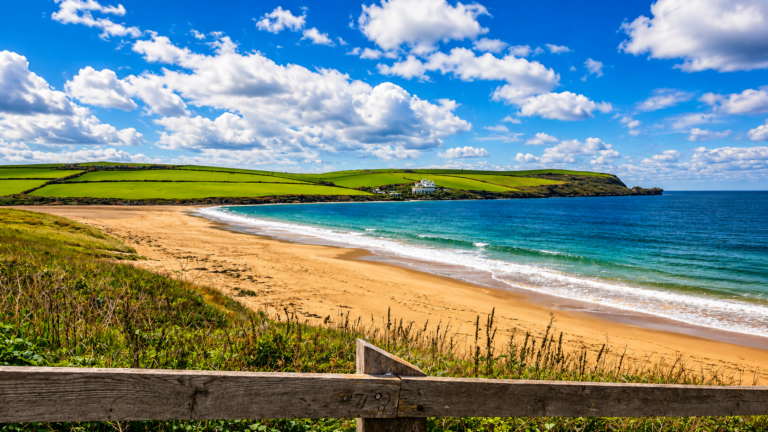
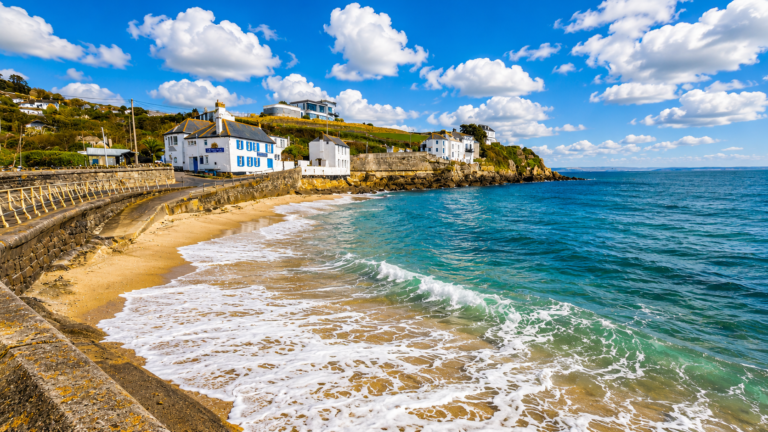
The north coast Cornwall beaches tend to be more exposed, with larger surf and more consistent waves, making them popular for surfing but sometimes less suitable for calm swimming. The south coast beaches in Cornwall are generally more sheltered, with smaller waves and more predictable conditions, which often suits families and quieter visits.
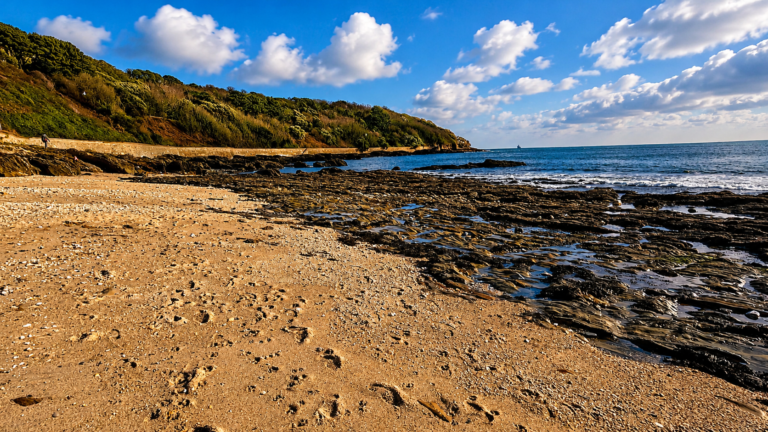
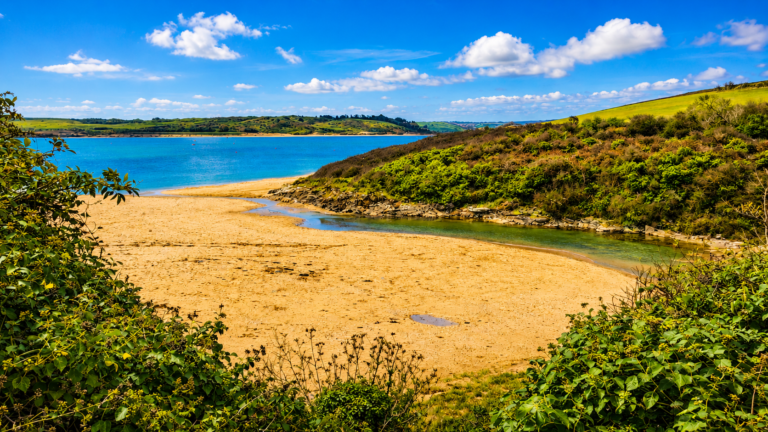
Tide also plays a major role. Some beaches open up into wide stretches of sand at low tide, while others can become very limited or disappear entirely at high tide. Checking this in advance can completely change your experience.
Wind direction is another key factor. A beach that feels open and exposed in a strong onshore wind can feel completely different when sheltered by the landscape.
When Cornwall Beaches Change the Most
Conditions on Cornwall beaches can shift quickly, and small differences make a noticeable impact.
- Tide cycles affect how much space you have and whether the beach is usable
- Wind direction determines whether a beach feels calm or exposed
- Seasonal demand changes parking availability and crowd levels
- Peak summer weeks can turn quieter beaches into busy ones
Checking tide times in advance (for example via the Met Office or tide charts) is one of the simplest ways to improve your day.
Why This Cornwall Beach Guide is Different
Most guides to the best beaches in Cornwall focus on scenery or popularity. This Cornwall beaches guide takes a more practical approach.
The aim is to help you choose a beach that will work properly on the day you visit. By focusing on real conditions—tide, wind, access, parking and crowds—you can make better decisions and get more from your time on the Cornwall coast.
Whether you’re planning a short visit, a full beach day, or exploring different parts of the coastline, this guide helps you find the right place with less guesswork.
The aim is to help you choose a beach that will work properly on the day you visit. By focusing on real conditions—tide, wind, access, parking and crowds—you can make better decisions and get more from your time on the coast.
Whether you’re planning a short visit, a full beach day, or exploring different parts of the Cornwall coast, this guide helps you find the right place with less guesswork.