Cornwall Seafood Guide: What to Try, When to Go, Where to Buy
If you’re down in Cornwall on holiday and want good seafood, this Cornwall seafood guide starts in the harbour, not with the restaurant everyone else is posting about. I would start there, then decide what sort of seafood day I actually wanted: fish to cook, a simple harbour lunch, or a more serious sit-down meal.
That matters because a proper Cornwall seafood guide needs to separate fish-buying harbours, simple lunch stops and more polished seafood towns. Cornwall seafood is not one tidy experience. Newlyn is the working end of it: a major fishing port where the market starts around 4am and handles a huge range of fish and shellfish. Mevagissey is one of the easiest places to combine a real fishing harbour with a visitor-friendly lunch stop. Padstow still matters as a working harbour town with genuine seafood relevance, but it is also where reputation and holiday pricing can start doing more work than the food. Newquay is more useful than people give it credit for, with a real harbour fleet and one of the strongest shellfish identities on the north coast.
It is also worth clearing up one holiday fantasy straight away. In most places, you do not just wander down to the quay, point at a boat and buy your supper off it. That is not how Cornwall usually works. In practice, the catch goes boat to market to trade to fishmonger or restaurant. If you want seafood for yourself, the practical answer is a fishmonger, a named harbour seafood business, or a harbour place that clearly buys well and keeps things simple. In Newlyn especially, the market is a proper commercial operation, not a casual public stall.
Best Harbour Towns for Seafood in Cornwall
If I cared most about the fish itself, I would start with Newlyn.
Newlyn is not the polished postcard version of Cornwall, and that is exactly why it is so useful. It feels like a working place first. If you arrive expecting a pretty harbour wander with seafood as a charming extra, it can feel more functional than you imagined. If you arrive wanting seafood with real commercial credibility behind it, it makes immediate sense. This is where I would base a serious buying stop if I were self-catering around Penzance, Mousehole or west Cornwall generally. You go because the fish is the point, not because the harbour has been arranged for your afternoon. That usually means you are more likely to come away with something more interesting than generic holiday cod.
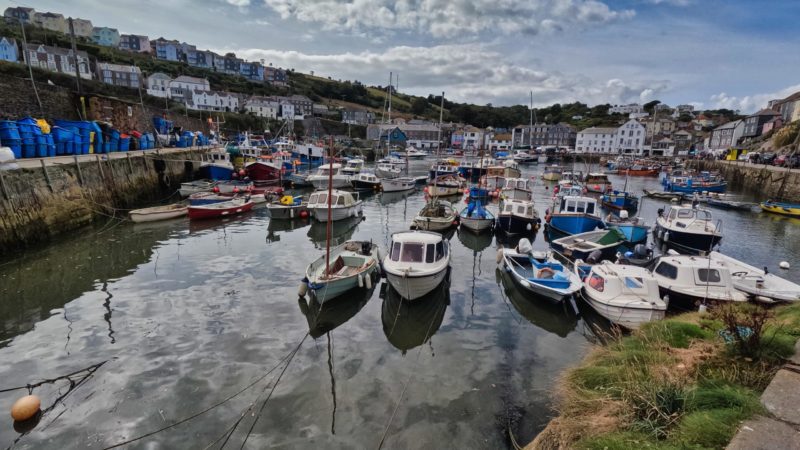
If I wanted the easiest classic Cornish harbour seafood day, I would look very hard at Mevagissey.
Mevagissey works because it still has a real fishing life underneath the visitor-friendly surface. You can arrive, walk the harbour, look at the boats, stop for lunch, and the place still makes sense as a fishing town rather than a stage set. It is compact enough to work as an easy harbour day without too much effort, and that matters on holiday. You are not trying to decode where the working part ends and the visitor part begins. That is why I would send a lot of people there before I sent them chasing somewhere grander. It gives you the version people often think they want when they say they want a proper Cornish seafood place, but with more substance behind it than many prettier-sounding alternatives. It also carries one of the strongest historic fish identities in Cornwall: pilchards, the old local name people still mean when they talk about Cornish sardines.
If I were staying on the north coast and wanted something easy rather than noble, I would absolutely include Newquay.
People think surf town first, and that is fair enough, but the harbour matters more than a lot of broad Cornwall food writing allows. Newquay is one of the easier places to fold seafood into a normal holiday day without turning it into a mission. You can do beach time, drop down to the harbour, buy fish, or get a simple seafood lunch without spending half the day driving around trying to prove you have found the most authentic answer. For a family holiday or a casual week on the north coast, that practicality counts for a lot. The useful thing about Newquay is that it still behaves like somewhere seafood belongs, not just somewhere that happens to have fish on menus.
If I wanted the famous seafood town, I would still use Padstow, but with a cooler head.
Padstow belongs in the guide because it is still a working harbour town with genuine seafood relevance. But it is also the place where I would be most careful not to confuse fame with value. I would go if I specifically wanted Padstow, or if I already planned to be there, but I would not build a Cornwall seafood trip around the idea that it automatically beats everywhere else in the county on the plate. Sometimes people go there looking for the definitive answer and end up paying mainly for reputation, crowding and the feeling that they have gone where they were supposed to go.
If I wanted a practical south-coast fishing-town answer, I would use Looe.
Looe is one of the best places for a day that includes buying fish, walking the harbour and eating something simple without too much theatre around it. It feels more grounded than over-curated, and that helps. The harbour is easy to understand as you move around it, and the seafood side of the place is not buried under too much performance. You are less likely to overcomplicate the day there, which is often a good sign.
If I wanted a harbour meal where the eating scene mattered as much as the harbour itself, I would use Porthleven.
I would not oversell it as one of Cornwall’s main commercial fishing harbours in the Newlyn or Mevagissey sense. What it does well is combine a harbour setting, a good fish-buying option, and a more food-led stop. It suits people who want one nice seafood day that feels a bit more polished without losing its Cornish footing. That is different from going somewhere because it is the strongest fish-buying base, and it helps to be clear about that before you choose.
Quick harbour chooser:
- Newlyn: best if the fish itself is your priority
- Mevagissey: easiest classic harbour seafood day
- Newquay: practical north-coast option
- Padstow: go deliberately, not by default
- Looe: easy harbour walk plus fishmonger stop
- Porthleven: best for a more polished meal-led outing
Where to Buy Seafood in Cornwall
If you are self-catering, you are usually buying from a fishmonger or public-facing harbour seafood business, not from a boat and not from the market floor.
In Newlyn, the market is the engine, but it is not the normal place for a holidaymaker to buy supper. For that, I would use a public-facing seller tied into Newlyn landings.
Two obvious examples are Fresh Cornish Fish, which presents itself around fish landed through Newlyn that day, and Trelawney Fish, whose Newlyn shop and deli presents its counter stock as selected from the early-morning Newlyn auctions. That is the practical Newlyn answer. The market matters hugely, but the shop is where you go.
In Looe, the buying answer is much simpler: Pengelly’s Fishmongers.
That is exactly the sort of place holidaymakers are usually hoping exists: a quayside fishmonger where buying fish feels like part of the harbour day rather than a separate errand. If I wanted a harbour walk and then a proper fish-buying stop without overthinking it, Looe is one of the clearest answers in Cornwall.
In Newquay, the clearest named buying stop is Newquay Fish.
That is why Newquay deserves a place in the guide. It is not just somewhere seafood exists somewhere in town. It is one of the easier places on the north coast to buy harbour-linked seafood in a way that makes sense on holiday.
In Porthleven, I would point readers to Quayside Fish.
That is the practical answer if you want to buy fish rather than only order it in a restaurant. It is a public-facing fishmonger and exactly the sort of stop that makes Porthleven useful for people who want both a harbour outing and something to take back to the kitchen.
So the real buying logic is straightforward:
- Newlyn is the strongest fish-first buying base
- Looe is one of the easiest quayside fishmonger stops
- Newquay is a practical north-coast harbour buy
- Porthleven works well if you want buying and a more polished harbour-food day in the same outing
How to Eat Seafood in Cornwall on Holiday
If I had a kitchen, I would start with a fishmonger.
That is still the smartest route more often than not. You get more control, better value, and a much clearer link to what is actually good that day. I would not turn up with a rigid shopping list unless I had to. I would ask what looks best, what has come in well, and what they would cook themselves. That is how Cornwall seafood gets more interesting. You stop shopping by habit and start buying by what is genuinely right that day.
That works especially well in places where the harbour still feeds straight into local seafood retail. In practice, that means stopping with intent rather than vaguely hoping the quay will somehow sort you out for you. Newlyn is the obvious fish-first stop in the far west. Looe and Newquay are easier if you want something that folds neatly into a holiday day. Porthleven works well if you want to buy fish and still make a meal-stop outing of it.
If I did not want to cook, I would usually look for a harbour café, shack or simple seafood stop before I looked for a full restaurant.
That is where Cornwall often makes the most sense. A crab sandwich in the right place, a simple grilled fish dish, mussels somewhere that clearly sells plenty of them, or fish and chips done with a fish that suits Cornwall rather than default cod. Mevagissey, Looe, Newquay and Porthleven all work well in that mode. The payoff is often quicker and more natural than booking somewhere glossy and then ordering as though seafood has to be turned into a special occasion to count.
If I wanted a proper restaurant meal, I would do that because I wanted the restaurant experience: more service, more cooking, more formality, more spend. I would not do it because I thought it was the only way to eat good seafood in Cornwall. Quite often it is not.
What Fish to Try in Cornwall
This is where a lot of visitors undershoot the county. Cornwall seafood is not just cod and chips.
If I had to recommend one fish first, it would be hake. It is one of the fish most closely tied to modern Cornish seafood eating and one of the clearest “if you see it, order it” answers here. It gives you a clean, firm white fish that feels more distinctly Cornish than default cod, and it works whether the place is grilling it properly, roasting it, or battering it without fuss.
I would also actively look for pollack.
Pollack is one of the fish that separates a proper Cornish seafood stop from a generic British holiday menu. It makes more sense the closer you are to the harbour and the shorter the menu is. It is a very good choice for people who like white fish but want something with more character than cod.
And yes, cod is caught around Cornwall.
It belongs in the conversation. I just would not build the article around it, because it is not the fish that feels most distinctive here. If you come down to Cornwall and keep defaulting to cod because it feels safe, you miss a lot of what the county is actually better at showing you.
Mackerel is another one to watch for, especially when the place is keeping things simple.
This is not a fish that wants much fuss. It is rich, oily and best when it is very fresh and treated plainly. If I were buying fish to cook myself in summer or early autumn, this is exactly the sort of fish I would let a fishmonger talk me into.
Sardines matter more here than a lot of visitors realise.
If you want the old Cornish word, call them pilchards. That is the fish Mevagissey is historically tied to, and one of the species that says something real about Cornwall rather than just giving you another version of a standard fish supper. If you want something that feels genuinely rooted in local fishing identity, sardines are much more important than cod.
I would keep an eye out for red gurnard and megrim as well, especially at fishmongers.
These are exactly the sort of fish that make buying locally more interesting than sticking to the same national shortlist. Megrim in particular is often underbought and underordered for no good reason. If a fishmonger told me either looked excellent that day, I would pay attention.
If I wanted something more restaurant-shaped, I would look for turbot, monkfish or John Dory rather than expect them to define a casual lunch stop. These are the fish that make more sense when you actually want a more considered meal.
The main point is straightforward. If you come to Cornwall and keep ordering cod because it is familiar, you are missing a lot of what the county is good at. Hake, pollack, mackerel and sardines are much closer to the fish identity I would want people to notice.
Best fish to start with:
- Hake and pollack
Also worth watching for:
- Mackerel
- Sardines
- Megrim
- Red gurnard
More restaurant-shaped choices:
- Turbot
- Monkfish
- John Dory
Shellfish: What I’d Prioritise, and How Careful I’d Be
I would still put dressed crab high on the list as a classic Cornwall experience, but I would not write about it lazily.
Brown crab remains central to Cornwall’s seafood identity, but it is the sort of thing I would buy with a bit of care rather than as an automatic tick-box order. If you want crab, buy from a reputable seller, ask what is looking good, and let the day’s advice steer you. That matters more than treating crab as a guaranteed answer everywhere.
Lobster is still a proper treat, and there are parts of the Cornish coast where it is a real part of harbour life. But I would never present it as the automatic best thing on the menu. Often it is simply the most expensive thing. That is a different claim. If I genuinely wanted lobster, fine. If I just wanted a really good Cornish seafood meal, I would often be happier with crab, hake, pollack or a very good fish counter from a fishmonger.
Mussels are one of the safest good-value shellfish choices in Cornwall, especially if you want a simple meal rather than a big occasion. They make most sense in places that turn them over regularly and cook them plainly.
When Seafood Is Best in Cornwall
Yes, seasons matter, but not in the fussy, ruin-your-holiday way people sometimes think.
Cornwall does not suddenly stop making sense for seafood outside summer. The real point is that some things work better at some times of year than others, and the better places adjust to what is actually being landed.
You can get crab and lobster in December. But there is a difference between being able to get something and it being the version of the experience most people are imagining. Winter is usually less about the postcard harbour-lunch fantasy and more about buying well from a fishmonger or choosing one reliable pub or restaurant that is working sensibly with what is actually coming in. The seafood can still be good. The day just feels different.
If I had the choice, I would still rather do a seafood-focused Cornwall trip in May, June or early autumn than in August.
That is not because August is bad. It is because August is when you are most likely to pay more for crowds, queues and prestige, and least likely to feel you have made a particularly sharp choice. Spring, early summer and early autumn are usually the months when the whole thing works more smoothly: easier to park, easier to get a table, easier to buy fish without everything feeling under strain. They are also the times when harbour towns are more likely to feel like themselves rather than like they are operating at full holiday pressure.
If I Were Here for a Week, This Is What I’d Do
- If I were staying in west Cornwall, I would build one buying stop around Newlyn and use Fresh Cornish Fish or Trelawney Fish rather than imagine I was going to buy off the market floor.
- If I were in mid Cornwall, I would happily use Mevagissey as my harbour lunch day, and if sardines were on somewhere good, I would pay attention because that history belongs there.
- If I were up north already, I would use Newquay for ease and buy from Newquay Fish if I wanted seafood to cook myself. I would keep Padstow for the day when I specifically wanted Padstow, not because I thought I had to tick it off to eat well.
- If I wanted a practical south-coast stop, I would use Looe and make Pengelly’s part of the day.
- If I wanted one seafood outing that leaned more towards a nicer dinner out, I would consider Porthleven, and if I wanted fish for the kitchen as well I would use Quayside Fish.
What I would not do is assume all harbours are interchangeable, try to buy randomly from a boat, or keep ordering the most expensive thing on the menu as though that proves you have done Cornwall properly.
FAQ
Where should you go first for seafood in Cornwall?
Start with the right harbour town rather than the most famous restaurant. Newlyn is the strongest fish-first option, Mevagissey is one of the easiest harbour lunch days, Newquay works well on the north coast, Looe is practical and grounded, and Porthleven suits a more polished seafood outing.
Where should you buy seafood in Cornwall if you are self-catering?
Use a fishmonger or a public-facing harbour seafood seller rather than trying to buy off the quay. Newlyn is the strongest fish-buying base, while Looe and Newquay are easier to fold into a normal holiday day.
Can you buy fish straight from the boats in Cornwall?
Usually not. In most working harbours, the catch goes through a commercial market and trade system first. For visitors, the practical route is a fishmonger or a named harbour seafood business.
Is Newlyn the best place to buy fish in Cornwall?
If the fish itself is your main priority, Newlyn is one of the best places to start. It is a serious working port, and it makes the most sense if you want a proper buying stop rather than a prettified harbour wander.
What fish should you try in Cornwall apart from cod?
Start with hake and pollack. Then look for mackerel, sardines, megrim and red gurnard. Those are much closer to Cornwall’s real fish identity than defaulting to cod every time.
What is the most local fish to eat in Cornwall?
There is no single perfect answer, but hake, pollack and sardines are among the strongest choices if you want something that feels distinctly Cornish rather than just familiar.
Are sardines and pilchards the same in Cornwall?
Yes, in this context. When people talk about Cornwall’s pilchard history, they are generally talking about sardines.
Is cod actually caught around Cornwall?
Yes, cod is part of the Cornish catch. It just is not the fish that feels most distinctive to Cornwall if you are trying to eat in a more local way.
Is Padstow the best seafood town in Cornwall?
Not automatically. Padstow still matters as a working harbour town, but it is also where reputation and holiday pricing can start to outweigh value. It makes sense if you specifically want Padstow, not if you assume fame guarantees the best seafood experience.
Which Cornwall harbour is best for an easy seafood day?
Mevagissey is one of the easiest all-round answers. It combines a real fishing harbour, an easy walkable setup and a visitor-friendly lunch stop without feeling too staged.
Where should you go for seafood on the north coast of Cornwall?
Newquay is one of the most practical north-coast answers. It is easy to work into a normal holiday day and makes more sense than people sometimes expect if you want harbour-linked seafood without too much effort.
Can you get crab or lobster in Cornwall in winter?
Broadly yes, but winter suits a different kind of seafood day. It is often better for buying well from a fishmonger or choosing one reliable meal than chasing a high-summer harbour atmosphere.
When is the best time for a seafood-focused Cornwall trip?
May, June and early autumn usually give the best balance of good harbour atmosphere, easier parking, easier tables and less holiday-pressure pricing than August.
Is Cornwall seafood still worth it in August?
Yes, but August is usually the month when crowds, queues and prestige pricing are most likely to get in the way. If you have the choice, spring, early summer and early autumn usually make for a sharper seafood trip.
What is the best way to eat seafood in Cornwall on holiday?
If you have a kitchen, start with a fishmonger and buy what looks best that day. If you do not want to cook, a simple harbour lunch or seafood shack often makes more sense than assuming you need a formal restaurant booking.