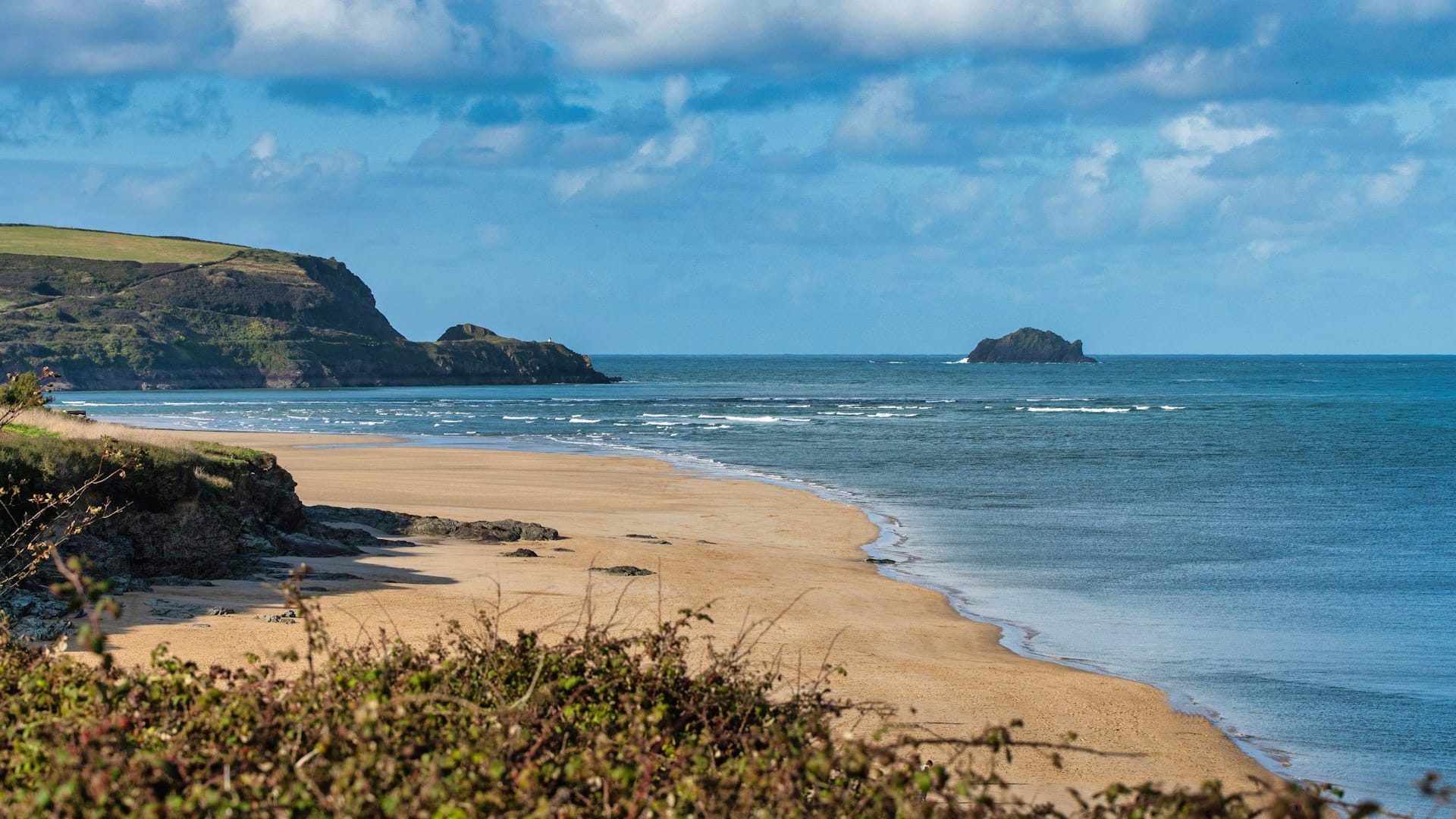
If you’re the one organising a trip or day out in Cornwall, this guide is for you. Whether it’s your first time down, you’re coming back again, or you live here and want fresh ideas, the aim is simple: what’s actually worth doing and how to plan it without stress.
I’m Cornish, I live here, and I’m not going to pretend everything is perfect. Some places are crowded, some drives are slow, and a few “must-sees” only make sense if they fit your route. This is a practical, local look at the best things to do in Cornwall, with the trade-offs laid out plainly.
Quick answer: the best things to do in Cornwall (real places)
If you want a fast shortlist you can build a trip around, start with these. They cover the classic Cornwall stuff (beaches, coast, harbours) plus a few big hitters that are worth the time and money.
For coast and views, most people should do at least one proper South West Coast Path section, like Godrevy to Gwithian, St Agnes to Chapel Porth, Pentire Headland (near Polzeath), or Kynance Cove to Lizard Point. They’re big scenery without needing to be a hardcore walker.
For towns and harbours, pick one or two that match your vibe rather than trying to do them all. The obvious starters are St Ives, Padstow, Fowey, Falmouth, Mevagissey, Mousehole, Looe, Polperro, and Port Isaac.
For “proper Cornwall experiences” beyond views, the ones that usually land best are St Michael’s Mount (Marazion), Tintagel Castle, The Eden Project, The Lost Gardens of Heligan, Trebah Garden, and one of the mining heritage spots like Geevor Tin Mine or the Botallack / Levant Mine area.
If it rains or the wind’s brutal, Cornwall still works if you’ve got a backup list. Good indoor-ish or weather-proof options include Eden Project, National Maritime Museum Cornwall (Falmouth), Tate St Ives, Healeys Cornish Cyder Farm, and Jamaica Inn / Bodmin Moor edge stops if you’re already inland.
How should I use this Cornwall guide?
Use this guide to decide where to stay, what to prioritise, and how long you really need in Cornwall, not to tick off every famous name in one go. If you try to do everything, you’ll spend half your trip in the car.
Start by working out what matters most to your group: beaches, walks, harbour towns, food, family-friendly days out or simply a quiet base with a few trips from there. Then pick out the sections that match your plans and build a loose itinerary.
The aim is to give you enough detail to make good choices on timing, parking, crowds and costs, without overcomplicating it.
How is Cornwall laid out – and how far is everything really?
The key thing to know is that Cornwall is slow to drive around. It looks small on a map, but once you’re here it’s all about time, not miles, and a 25-mile journey can easily be an hour or more in summer.
Broadly, Cornwall breaks down like this. The north coast is big surf beaches and rugged cliffs, with places like Bude, Padstow, Newquay, St Agnes, and the St Ives side. The south coast is more sheltered and harbour-heavy, with Falmouth, Fowey, Looe, Polperro, and the Helford/Roseland area.
The far west (Penwith) is the “end of the map” feel around St Ives, Penzance, Mousehole, Sennen, and the Land’s End side. Inland is Bodmin Moor and the countryside in between, where you go for space, woods, rivers and a break from the coastal crowds.
For a long weekend (3–4 nights), stick to one main area and explore properly. For a week, you can base yourself well and do day trips, or split into two bases if you don’t mind repacking halfway through.
What are the best coastal highlights in Cornwall?
For most people, the best coastal highlights are simple. Do one easy-access beach day, one proper coastal walk with views, and one harbour town day where you actually slow down and enjoy it.
Beaches that are worth making the effort for
On the north coast, you get the classic surf-and-sand picture most people have in their heads. Around Newquay, Fistral is the obvious surf name, and it’s set up for easy days with facilities, lifeguards in season, and plenty nearby.
The St Ives area is the other big headline, with beaches like Porthminster and Porthmeor, and bigger sand nearby on the Hayle side like Gwithian / the Towans. It’s a great mix of beach and town, but parking and traffic can be a pain in peak season, so you need to arrive early or use park and ride.
Around Padstow and the Camel Estuary side, beaches like Harlyn Bay are popular for family days and paddling. It’s a good area if you want to combine a beach with a harbour wander and food, but don’t expect to park right on the sand everywhere.
If you want the famous “wow” beaches, that’s usually west Cornwall, with places like Porthcurno and Pedn Vounder. They can be unreal on a calm day, but they’re also the ones where tiny car parks and crowded paths can wreck the vibe if you roll up late.
Easy coastal walks with big views
You don’t need to be a serious hiker to enjoy the South West Coast Path. For most visitors, a 2–3 hour out-and-back is the sweet spot, because you get the views without writing off the whole day.
A few reliable, high-reward options are Godrevy to Gwithian, St Agnes to Chapel Porth, Pentire Headland (near Polzeath), and Kynance Cove to Lizard Point if you’re down that way. They’re all “feel like Cornwall” walks without needing mountaineering energy.
Before you set off, check wind, weather and tide. Cornwall’s cliffs are not the place to be casual in thick mist or strong winds, and steps and steep sections are normal even when the route looks short.
Harbours and coastal towns: what do you actually do there?
In most Cornish harbour towns, the “activities” are simple. You wander, you stop for views, you browse a bit, and you sit down for a drink, an ice cream, or food.
If you want art-town plus beaches, St Ives is the obvious one, and it pairs well with a visit to Tate St Ives if you want something that isn’t just the beach. If you want food-and-harbour energy, Padstow is the classic, but it’s busy and expensive in peak season.
For a prettier, slower harbour day, Fowey is great, and it works well as a half-day or full day depending on how much you like pottering about. For proper fishing-village vibes, Mevagissey and Mousehole can be lovely, but they’re tight and crowded in summer, so timing matters.
If you want that “postcard” feel, Polperro and Port Isaac are the names most visitors know. Just go in with your eyes open that streets are narrow, parking is limited, and the best time is earlier or later in the day.
What are the must-do Cornish experiences beyond the views?
Beyond beaches and cliffs, the “must-do” experiences that actually feel worth it tend to be a mix of food, history, gardens, and one proper paid attraction.
Food and drink in Cornwall: what’s worth hunting down?
Cornish food doesn’t have to mean expensive restaurants. For many visitors, the real wins are good pasties, a cream tea, and a decent fish-and-chips or seafood meal in a coastal spot.
If you want a fun, easy “Cornwall thing” that suits mixed ages, Healeys Cornish Cyder Farm often goes down well. It’s not a hidden local secret, but it’s a solid day out that’s easier than battling the busiest beaches on a bad-weather day.
Mining, history and “old Cornwall”
You don’t have to be a history person to enjoy the mining heritage, because the scenery does half the work. The engine houses on the cliff edges are some of the most iconic sights in Cornwall, and they come with great coastal walking.
If you want a proper mining site you can actually visit, Geevor Tin Mine is a strong pick. If you want the famous cliffside engine-house look, the Botallack / Levant Mine area is the one most people picture, and it works well as a half-day with a coastal walk.
For “big name history”, Tintagel Castle is the obvious one. It can be brilliant, but it’s also busy and involves steps, so it’s best planned rather than squeezed into a rushed day.
Gardens, houses and big-day-out places
Cornwall does gardens really well, and they’re great for mixed groups because you get views, gentle walks, a cafe, and somewhere to slow down.
The big two many visitors aim for are The Eden Project and The Lost Gardens of Heligan. They’re not cheap, but they’re genuinely solid full-day options when you want something structured and you’re not gambling your day on beach weather.
If you want a garden that’s especially good for a half-day, Trebah Garden is a popular choice around the Falmouth side, and it suits “nice walk, nice cafe, done” days.
Getting on the water: boats, kayaks and more
Being on the water is one of the best ways to see Cornwall from a different angle. For most people, the easiest option is a short boat trip or ferry, because it works for mixed ages and you don’t need special kit.
If you want a “classic Cornwall” water day that feels like a proper trip, St Michael’s Mount is a great one. The causeway at low tide and the boat option at high tide make it feel like an experience rather than “just another place”.
What works best in Cornwall for families and mixed ages?
The best family days are the ones that stay simple. You want easy parking, straightforward access, toilets nearby, and something to do if the weather turns.
For easy beaches with a less “mission” feel, places like Fistral (because it’s set up), Gyllyngvase and Swanpool (Falmouth), and the bigger sands around the St Ives/Hayle side tend to be the easiest choices. They’re popular, so the move is timing, not pretending you’ll have them to yourself.
For a break from beach days, pick one paid attraction and commit to it rather than doing lots of mediocre ones. Eden, Heligan, or Healeys usually work because they fill a whole day and take pressure off everyone.
What can I do in Cornwall when it rains?
You can still have a good day out in Cornwall when it rains, but you need a backup list so you’re not scrambling for ideas over breakfast.
For heavier rain, Eden Project is the obvious “salvage the day” option. Around Falmouth, the National Maritime Museum Cornwall is a strong shout, and Tate St Ives works well if you’re already in that area.
If it’s not a total washout, a very Cornwall plan is a short, bracing coastal walk followed by something warm. In bad weather, you’re often better doing “views and a pub” than forcing a soggy attraction you don’t even care about.
Where should I base myself for a first Cornwall trip?
The best base is one that matches your style of trip, not a single “magic” town that suits everyone. Decide first whether you want lively beach-town energy, harbour-town charm, or quieter evenings with short drives.
If you want lively and beachy, Newquay is the obvious base, and it works well for north-coast beaches and cliff walks. If you want art-town plus beaches and you don’t mind the crowds, St Ives is a classic, but it needs planning.
If you want a good all-rounder base that mixes town, beaches and boaty stuff, Falmouth is one of the easiest choices. If you want harbour charm and you’re happy to deal with tighter roads and parking, places like Fowey, Looe or Padstow can be great, but they’re not always the smoothest for driving.
Simple Cornwall itineraries you can tweak
These are starting points. Swap days around for weather, energy levels and who you’re travelling with.
3-day “first taste of Cornwall” (one base)
Day 1 is arrival, a short coastal walk near your base, then food locally. Day 2 is a proper beach day, ideally with a swim or a surf lesson if you’re on the north coast. Day 3 is a harbour town or a mining/history half-day, plus a different beach before heading home.
5-day “coast, villages and a big attraction”
Do two beach/coast days, one harbour town day, and one big-ticket place like Eden or Heligan. Keep the fifth day flexible so you can repeat your best day or dodge bad weather.
Quick FAQs and final local tips
A week is enough to get a good feel for one or two areas, as long as you don’t try to zig-zag across the whole county. A long weekend works if you keep plans tight and stay local to your base.
If you hate crowds, your best tool is timing. Go early, go later, or pick slightly less headline places when the main hotspots are heaving.
Before you book, decide roughly how long you’ve got, which coast suits you, what kind of base you want, and how much driving you’re comfortable with. Then pick a handful of beaches, towns and experiences that fit that picture, rather than trying to cram in every name you’ve ever heard.
Cornwall rewards simple, well-planned trips: a good base, a few solid days out, room to change your mind, and enough slack in the plan for weather and traffic.