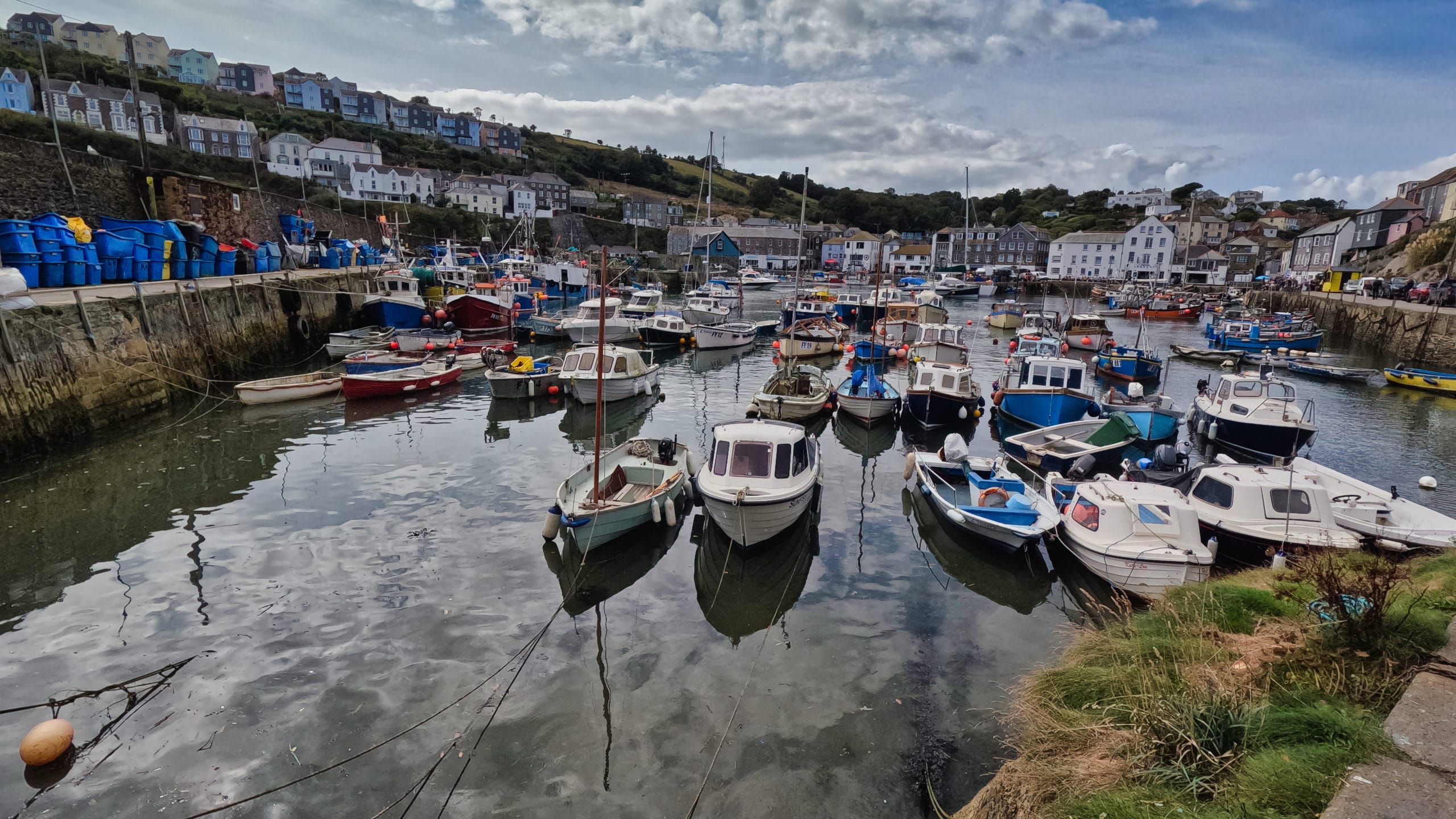
If this is your first time visiting Cornwall, it can feel like a bit of a puzzle. The photos look amazing, everyone tells you something different, and you’re the one trying to fit it all together and keep everyone happy.
This guide is written by someone born and living in Cornwall, for you — the planner. Whether it’s your first time visiting Cornwall, your fifth, or you live here and you’re organising things for visiting family, the aim is simple: less stress, less faff, more days that actually work.
Let’s go through the main questions one by one.
Quick answer: what should you actually do on a first Cornwall trip?
If you want a simple first-timer plan, don’t try to “do all of Cornwall”. Pick one base, build a few solid days around it, and leave breathing room for weather and traffic.
For classic first-time Cornwall days, aim for a mix of: one big beach day, one harbour town day, one proper coast path walk, and one “paid attraction” day that works even if the weather isn’t perfect. If you do those four things well, you’ll feel like you’ve properly done Cornwall without racing around.
Here are the places that work well for a first visit without turning it into a mission. If you’re choosing beaches, Fistral (Newquay area), Perranporth, Gyllyngvase (Falmouth), Porthminster (St Ives), Sennen, and Praa Sands are reliable starting points. For classic towns and harbours, think St Ives, Padstow, Falmouth, Fowey, Mevagissey, Mousehole, Looe and Polperro.
If you want one or two big “worth it” attractions to anchor the week, Eden Project, Lost Gardens of Heligan, Tintagel Castle, and St Michael’s Mount are the names most first-timers actually enjoy. If you want something that feels properly Cornish and not just a day ticket, look at a mining coast walk around Botallack / Levant or a visit like Geevor Tin Mine.
Is Cornwall actually right for your trip?
If you like coast, countryside and a slower pace, Cornwall can be brilliant. If you want big-city nightlife, hate driving, and need guaranteed hot weather, it might wind you up.
Cornwall is a long, mostly rural county at the far end of the UK. The scenery is a mix of cliffs, long sandy beaches, tucked-away coves, moorland, rivers and estuaries, and you’re almost never far from the water. We don’t have big cities, just a few larger towns and a lot of small towns and villages.
The weather is classic UK coastal stuff. We’re usually a bit milder than inland, but you can see sun, rain, wind and fog in the same day. If you want guaranteed heat, this isn’t Spain, and the wind can make a “nice day” feel colder than you expect.
Cornwall suits people who are happy with days that look like a drive or walk, a beach or headland, a pasty or pub lunch, then back somewhere comfortable to flop. If you want shopping centres, clubbing until 3am and Ubers on demand, that’s not what you’ll find here.
When is the best time to visit Cornwall?
You can come all year round, but the experience changes a lot by season. The main trade-off is simple: better chance of beach weather usually means more crowds, more traffic and higher prices.
Summer (July–August)
If you want warm days, busy beaches, plenty going on and everything open, summer is the obvious choice. It feels lively, full-on, and for many people it’s exactly what they want.
The hard bit is that school holidays mean crowds, queues and packed car parks, and prices are at their highest. The main roads can crawl on changeover days, and you’ll need to book more things in advance than you think.
If you’re only free in summer holidays, it’s still worth coming. Just plan properly and don’t pretend it will be quiet.
Spring and early autumn (April–June, September–early October)
For many people, this is the sweet spot. You usually get a better balance of space and atmosphere, with clear days and lower prices than peak summer outside school holidays.
The trade-offs are that the sea can be cold earlier in spring, and some places run shorter hours outside peak season. September can be particularly good because the sea is often warmer than people expect after summer.
If you’ve got flexibility, this is often the best time for a first trip.
Winter and the quiet months
From late October through to March, Cornwall feels different again. The coast is quiet, accommodation can be cheaper, and wild seas plus cosy pubs can make for a great break if you like that sort of thing.
The downsides are short days, long dark evenings and more things closed or on reduced hours. The weather can swing quickly, so you need a flexible plan rather than a tight itinerary.
If you want dramatic coastline and fewer people, winter can be brilliant. Just don’t expect “resort mode”.
How long do you need for your first time visiting Cornwall?
A common mistake is trying to cram “all of Cornwall” into one short trip. It’s a bigger place than it looks on the map, with slow roads and plenty of tempting stops.
If you’ve only got a weekend, treat it as a taster. Pick one base, stay local, and plan one bigger outing at most. With three or four nights, you’re still better off sticking to one area so you have time for two different beaches and a town or two without rushing.
A week is enough to get a proper feel for one part of Cornwall, with room for one or two bigger day trips. Two weeks is where you can slow down properly or split the trip into two bases, for example north coast and far west, or north and south.
Travel days don’t really count as full days. Don’t plan a long walk, a major attraction and a fancy dinner for the day you arrive — keep arrival day simple and close to your base.
Where should you stay in Cornwall for a first visit?
The best place to stay depends far more on what you actually want to do than what looks prettiest in photos. A good base makes the holiday feel easy, and a bad base makes you feel like you’re always behind.
If you want the simplest first-time bases, these are the ones that usually work. Newquay is great for beaches and a classic seaside setup, Falmouth is great for a mix of town life, beaches and ferries, and St Ives / Carbis Bay is great for the “postcard Cornwall” feel if you’re prepared for crowds and sorting parking.
If you’re more into harbour towns than surf beaches, bases like Padstow, Fowey, Looe and Mevagissey can be brilliant. Just remember most of the prettiest places come with hills, tight streets and parking compromises, especially in summer.
If your dream is big far-west scenery, Penzance is often the most practical base. You can reach places like Sennen, Land’s End, Mousehole, St Michael’s Mount, and the Minack Theatre area without feeling stuck in a tiny village.
Distance and drive-time reality
It’s easy to look at the map and think you’ll do St Ives one day, Looe the next, then Land’s End, then Eden Project. The roads and traffic won’t always play along.
Even when it’s not gridlocked, you’ve got single carriageways for long stretches, tractors, campervans, delivery lorries and narrow lanes to reach many beaches and villages. As a rough guide, once you’re in Cornwall, treat anything beyond an hour’s drive each way as a “big outing”, not a quick hop.
What’s the best way to get to Cornwall (and how do you handle arrival day)?
Most people either drive or take the train. A few fly, and whether that’s worth it depends on where you’re coming from and how much you want to avoid the steering wheel.
Driving gives you the most flexibility once you’re here, but it can be tiring, especially with kids or after a full week at work. If you can, avoid arriving on the busiest changeover times in peak season, and build in proper breaks on the way down.
Arrival day is where people ruin the vibe by trying to do too much. The best arrival day plan is simple: get in, unpack, do a short local walk or beach visit to stretch your legs, then a low-effort meal.
Train can work well if you’re staying in a main town and you’re happy using buses, taxis and your feet once you arrive. Flying can make sense for some routes, but you still need a plan at this end, whether that’s a hire car or staying somewhere walkable.
Do you need a car in Cornwall?
Short answer: a car is very useful, but not always essential.
If you’re staying in a well-served town and you’re happy to use buses, trains, taxis and your legs, you can manage without one. If you want remote beaches, small coves, and “we’ll just see where we end up” exploring, a car makes life much easier.
The honest truth about driving in Cornwall
Driving here isn’t scary, but it can be slow and a bit intense if you’re used to motorways. You’ll spend more time in narrow lanes with high hedges and passing places, and you’ll meet tractors, cyclists, walkers and steep hills.
Give yourself more time than the sat-nav says, especially in summer. Don’t stack three far-apart places into one day, because it turns the holiday into a delivery route.
Parking basics
Parking is where a lot of people get stressed. Popular beaches and towns fill up early in peak season, and some places use apps or machines that aren’t fun to deal with in bad signal or rain.
A simple rule is to aim earlier or later in the day and have a Plan B nearby. If you build your day around one “must-do” car park at midday, you’re setting yourself up for a bad time.
How do you plan what to do without overloading every day?
The best Cornwall trips usually have a loose plan, not a packed spreadsheet. You want a few anchors, then flexible gaps.
Instead of listing dozens of must-sees, choose a few “trip themes” that match your group. For most first-timers, that’s usually a mix of beaches, coast walks, a harbour town or two, and one attraction day.
What do you need to book ahead?
In busier months it’s sensible to book surf lessons, some boat trips, and any restaurants you really care about. The big-name attractions can also be easier if you book ahead, especially in school holidays.
You don’t need to pre-book every ice cream and paddle. You do want the key things in place so you don’t end up queueing all day or missing out.
Simple first-time Cornwall plans you can copy
These are starting points, not rules. Swap days around for weather and energy levels.
3–4 day first-time taster (one base)
Day 1: arrive, settle in, short walk, simple meal
Day 2: one proper beach day plus a short coast path section
Day 3: a harbour town and a second beach or headland
Day 4: easy morning near base, then travel home
One-week first trip (one base, no racing)
Do 2–3 beach/coast days, 1–2 town/harbour days, and 1 attraction day like Eden Project or Heligan. Keep at least one day deliberately light so you can repeat your favourite beach or dodge bad weather without feeling like plans are collapsing.
Weather, sea and safety (the bit you’ll be glad you read)
This doesn’t need to be scary, but Cornwall rewards basic common sense. Pack layers more than outfits, because wind is usually the thing that catches people out, not rain.
For swimming, lifeguarded beaches in season are the safest option, and the flags and signs are there for a reason. Tides can cut off parts of beaches, caves and coves, so don’t assume you can always walk back the way you came.
If you’ve got kids, balance big surf beaches with calmer paddling days. If you’ve got older relatives or anyone with limited mobility, check the access, distance from parking, and whether there are places to sit and rest, because “short walk” online can mean steep steps in reality.
Common first-time mistakes (and how to dodge them)
Most first-timers trip up on the same things. They try to see all of Cornwall in one week, underestimate drive times, and build days around a single car park that might be full by late morning.
The other big mistake is choosing a base that looks pretty online but doesn’t suit how they like to holiday. Hills, steps, tight streets and awkward parking don’t show up in the hero photo, but they affect you every single day.
If you avoid those two mistakes — overloading the trip and picking the wrong base — you’re already most of the way to a calmer Cornwall holiday.
How do you pull your Cornwall plan together?
To keep it simple, do it in this order. First choose when to come and how long you’ve actually got once you take travel into account.
Then pick one area to focus on and book a sensible base that suits your group, budget and mobility needs. After that, sketch a loose plan with a couple of key days and a few easier “see how we feel” days, then book the important bits like lessons, big attractions and one or two meals out if you care about them.
Before you call it done, double-check you’re not overloading it. Leave space for weather changes, tired legs and lazy mornings so you come home feeling like you’ve had a break, not completed a mission.
If you already live in Cornwall and you’re planning for visitors
Most of this still applies — you just know the roads and the weather better. Where it changes is that visitors tire quicker on hills, steps and longer walks than locals expect, especially if they’re not used to it.
A good local-host plan is fewer places, more time in each place, and making sure there’s always a toilet, a sit-down option, and an easy escape route if the weather turns.
Get the basics right — timing, base and pace — and your first time visiting Cornwall will be a lot calmer. Do a bit of planning up front, leave room for the odd curveball from the weather or traffic, and you’ll come away feeling like you’ve actually had a holiday, not just survived it.