
Cornwall Travel Guide: What to Know Before You Visit
Cornwall is easy to romanticise before you arrive. Beaches, pasties, harbour towns, surf, cream teas, clifftop walks, fishing boats, pints with a sea view. None of that is wrong. It is just not the whole story.
The Cornwall that gives you the best trip is the real one: beautiful, rural, weather-battered, tidal, busy in summer, quieter in winter, full of working towns, narrow lanes, brilliant food, proud communities and places that do not always behave like a neat holiday brochure.
That is not a warning. It is the key to enjoying it properly.
This Cornwall travel guide is for anyone visiting Cornwall for the first time, or coming back and wanting to plan better. I’ll cover where to stay in Cornwall, the best time to visit, how to get around, whether you need a car, what to know about beaches, what to book, what to pack, and how to enjoy the place without treating it like a theme park at the end of the A30.
If you plan Cornwall badly, you will spend too much time in traffic, chase too many famous places, get irritated by parking and miss the best bits. If you plan it like a real place, with tides, seasons, local businesses and slower roads, you will have a far better trip.
Cornwall travel guide: quick advice before you go
If you only remember one thing, make it this: do not try to “do Cornwall” in one trip.
Cornwall is much better when you choose the right area, slow down, eat properly, respect the sea and leave space in your plans. The mistake is not visiting for too short a time. The mistake is trying to cover too much.
Before you visit Cornwall, know this:
- Choose one main base rather than bouncing across the county every day.
- Plan around areas, not just famous names.
- Book key meals and activities in peak season, but leave your days flexible.
- Check tide times before beach walks, coves and causeways.
- Use lifeguarded beaches for swimming where possible.
- Do not assume dog rules, parking or facilities are the same at every beach.
- Eat local where you can: bakeries, pubs, farm shops, seafood, cafés and proper pasties are part of the trip.
- Pack for changeable weather, even in summer.
- Treat Cornwall like a living place, not a backdrop.
Cornwall is better when you stop trying to collect it and start giving one corner your full attention.
The biggest mistake: trying to “do Cornwall”
Cornwall looks manageable on a map. It is one county, one peninsula, one holiday. But that can trick you.
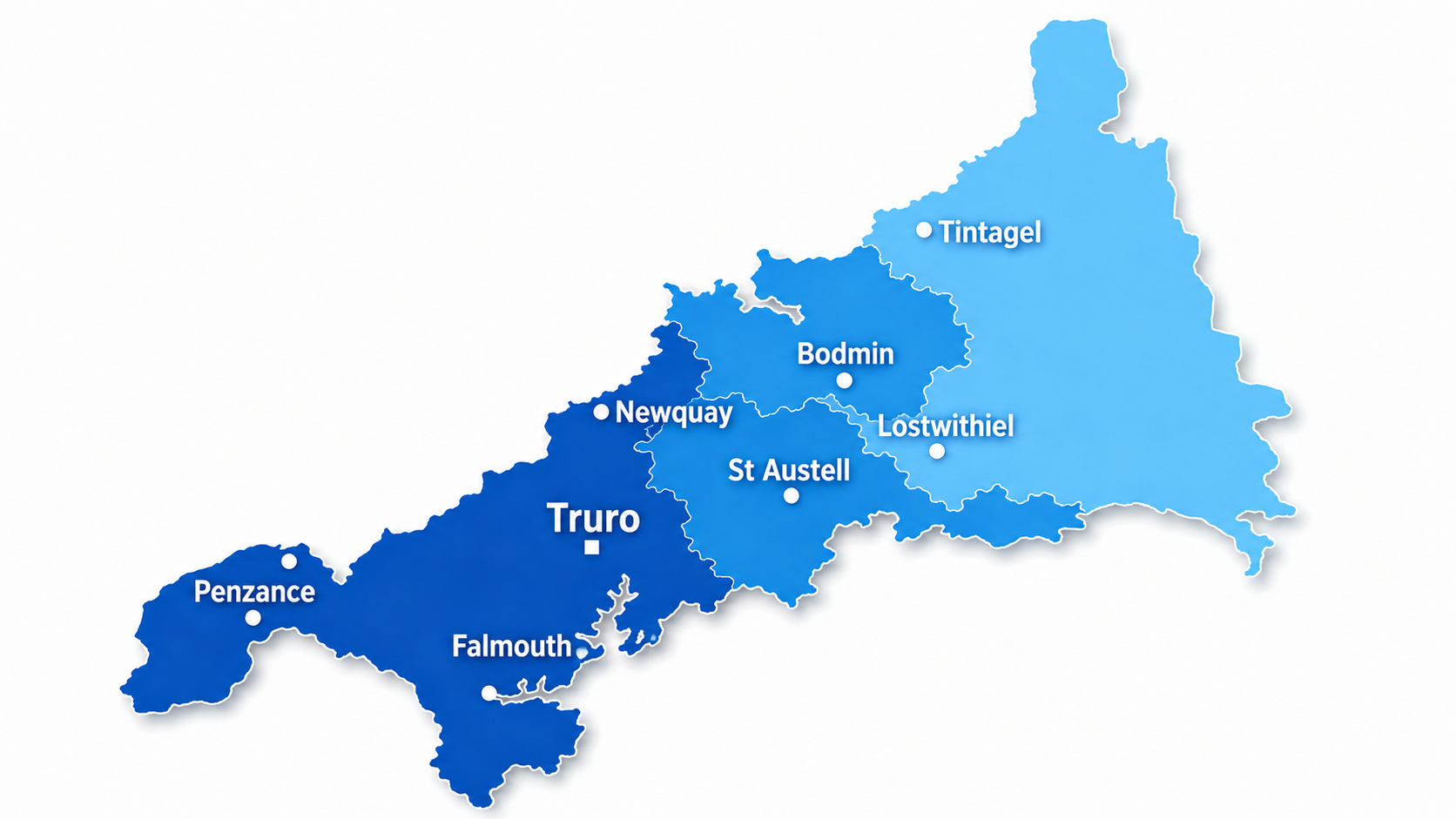
Bude and Penzance are both in Cornwall, but treating them as casual neighbours is how you lose half a day to driving. The north coast, south coast, far west, mid-Cornwall, Bodmin Moor and the Roseland all feel different. They are not interchangeable.
The best Cornwall trips are usually built around one area, not a desperate attempt to collect them all.
If you want surf beaches, bigger Atlantic energy, beach bars, casual food and lively towns, look at the north coast: Newquay, St Agnes, Perranporth, Polzeath, Bude and the places around them.
If you want estuaries, gardens, ferries, softer harbour towns and slower exploring, the south coast may suit you better: Falmouth, Fowey, Mevagissey, St Mawes and the Roseland.
If you want wild edges, art, granite cottages, old fishing communities and end-of-the-land drama, go west: St Ives, Penzance, Newlyn, Mousehole, Sennen, Zennor and the Penwith coast.
If you want a practical base for exploring several parts of Cornwall, mid-Cornwall can be underrated. It may not always sound as romantic when you are booking, but it can make your days easier.
Choose your base for the trip you want, not just the prettiest photo you saw online.
Best time to visit Cornwall
There is no single best time to visit Cornwall. There is only the best time for the kind of trip you want.
Visiting Cornwall in summer
July and August are the classic summer holiday months. You get long days, beach weather when it behaves, a full buzz in the towns and plenty open. You also get pressure: busier roads, busy restaurants, full car parks, higher accommodation demand and less room for lazy planning.
If you need to come in school holidays, you can still have a brilliant trip. Just be sharper with the basics:
- Book the meals or activities you would hate to miss.
- Arrive early for popular beaches and towns.
- Have a wet-weather plan.
- Do not build every day around driving to the most famous place in Cornwall.
- Leave more time than you think you need.
Summer in Cornwall rewards people who plan the boring bits well. If you sort parking, bookings and timing, you can enjoy the beaches and towns without feeling like you are fighting the county all week.
Visiting Cornwall in spring or autumn
May, June, September and early October are often the sweet spot. Cornwall still has life in it, the coast is beautiful, the days can be generous, and there is usually more breathing room. If you are not tied to school holidays, I would look hard at these months first.
Spring is good for gardens, walking and lighter evenings. Autumn is good for food, sea air, calmer towns and a slower rhythm. In both seasons, pack for change.
Visiting Cornwall in winter
Winter is a different kind of Cornwall. It is not the beach-holiday version, but it can be brilliant: quiet pubs, storm watching, empty harbours, coastal walks, fires, rain on windows and proper Atlantic mood.
Some places reduce hours or close seasonally, so you need to keep plans looser, but winter has an honesty to it that I love.
Where to stay in Cornwall
The best place to stay in Cornwall depends on your trip, not on a universal ranking of Cornish towns.
For a first visit, I usually think it helps to stay somewhere with enough around you for easy evenings. Falmouth, St Ives, Penzance, Newquay, Padstow, Bude, Truro and Fowey all offer different versions of that. They are not the same kind of stay, so choose by mood and practicality.
Best areas to stay in Cornwall by trip type
For beaches and surf: Newquay, St Agnes, Perranporth, Polzeath, Bude or nearby villages.
For food, ferries and town energy: Falmouth, Padstow, Fowey or St Ives.
For art, wild coast and far-west drama: St Ives, Penzance, Mousehole, Newlyn, Sennen or Zennor.
For gardens, estuaries and gentler exploring: Falmouth, Fowey, St Mawes, the Roseland or south coast villages.
For easier access around the county: Truro, Wadebridge, Bodmin, St Austell or other mid-Cornwall bases can be more practical than they first sound.
Remote stays can be wonderful, but only if you want that kind of trip. If the nearest pub needs a drive, the lanes are unlit, and the weather turns, “peaceful” can quickly become inconvenient.
Best Cornwall bases for first-time visitors
For a first Cornwall trip, I would keep life simple. Choose somewhere with food, transport, shops and wet-weather options nearby.
Falmouth is strong if you want food, ferries, beaches nearby, train access and a proper town feel. St Ives works if you want art, beaches and classic Cornwall views, but it gets very busy. Penzance is a good far-west base with access to Newlyn, Mousehole, Marazion and Penwith. Newquay suits surf, beaches, nightlife and north coast exploring. Padstow is food-focused and polished, with good access to the Camel Trail and nearby beaches. Bude works well for a north Cornwall trip with beaches, coast walks and a slightly different feel from the busier central spots.
The right answer depends on what kind of days you want. Do not choose a base because it is famous. Choose it because it makes your holiday easier.
Getting to Cornwall
Most visitors arrive by car, usually via the A30 or A38. The A30 runs through the spine of Cornwall and is the route many people will use from the east. In summer, especially around changeover days, traffic can build.
The issue is not just the journey down; it is what you expect from yourself when you arrive.
Do not plan a big first evening if you have already spent hours in the car. Get in, settle, eat something decent and start properly the next day.
The train can work better than people expect. Cornwall has a mainline through key towns, with branch lines serving places such as St Ives, Falmouth, Newquay and Looe. For the right trip, especially if you stay somewhere walkable, the train is not just a compromise. It can be part of the pleasure.
Flying into Cornwall Airport Newquay may also make sense for some visitors, especially if you are heading for Newquay, Padstow, the north coast or mid-Cornwall. Flight routes can change, so treat it as an option to compare rather than something to assume.
Getting around Cornwall
Cornwall rewards slow planning. That sounds like lifestyle advice, but it is practical.
Roads can be narrow. Summer traffic can be heavy. Parking can be awkward. A short distance on the map may not feel short when you are threading through lanes, villages, tractors, cyclists, delivery vans and everyone else trying to reach the same beach.
A car gives you the most freedom, especially for beaches, moorland, rural pubs, villages and food spots outside town centres. But the car should support the trip, not become the trip.
The simple rule is this: plan days by area.
If you are staying near St Ives, do not casually bolt on Tintagel, Falmouth and the Lizard in one day because they all looked good online. You will see more road than Cornwall.
Can you visit Cornwall without a car?
Yes, you can visit Cornwall without a car, but you need to choose your base carefully.
Falmouth, St Ives, Penzance, Newquay and Truro are easier car-free bases than remote rural stays. They give you better access to trains, buses, shops, food and bad-weather options.
Buses are useful for town days, beach hops, linear coast walks and avoiding parking stress. They are not always as frequent as city visitors may expect, and evening services can be limited in some areas, so build your day around the actual route rather than hope.
Trains are particularly useful for certain trips. The St Ives branch line from St Erth is one of the best ways to arrive in St Ives without battling town parking. Falmouth works well by rail from Truro. The Looe line makes the journey feel like part of the day. The Newquay line can be handy too, depending on your base.
If you are travelling without a car, be honest at the booking stage. A remote cottage up a lane may look dreamy until you realise there is no pavement, no nearby shop, limited buses and no easy way back from dinner.
Parking in Cornwall
Nobody comes to Cornwall dreaming about car parks, but ignoring parking is one of the easiest ways to spoil a day.
The busiest beaches and harbour towns can fill up quickly in peak season. Late morning is often the danger zone: too late for the easy spaces, too early for people to be leaving. If you are aiming for somewhere very popular in summer, go early, go later, or choose somewhere less obvious.
Use proper car parks. Use long-stay car parks if you are staying for the day. Do not block lanes, gateways, residents’ access or business entrances because you are trying to save five minutes of walking. A lot of Cornish roads were not built for modern visitor traffic, and careless parking creates real problems.
Before you commit your whole day to a beach or cove, know what kind of place it is.
Some beaches have:
- Large car parks
- Toilets
- Lifeguards in season
- Cafés or kiosks
- Easier access
- Nearby shops or pubs
Others have:
- Steep paths
- Limited parking
- No lifeguards
- No toilets
- No food nearby
- Rocks, cliffs, tides and awkward access
Neither version is better. You just need to know which one you are choosing.
Cornwall beaches: what to know before you go
Cornwall’s beaches are one of the main reasons people come here. They are also where visitors most need to switch on.
The sea is not a swimming pool. Conditions change. Tides move quickly. Rip currents can catch out strong swimmers. Surf beaches are different from sheltered coves. A beach that looks calm from the car park may still have risks you have not spotted.
If you plan to swim, surf or bodyboard, especially with children, choose a lifeguarded beach where you can. Swim between the red and yellow flags. Those flags are not decoration; they mark the area judged safer for swimming in the conditions at the time.
If there are no lifeguards, be more cautious, not more casual.
Check tide times before walking around headlands, exploring coves, setting up near the water or heading into caves. Some beaches shrink dramatically at high tide. Some access routes get cut off. Some places look easy on the way out and very different on the way back.
Be careful with inflatables. They look harmless, but wind and current can move them faster than people expect. If you would not be comfortable swimming back without it, do not rely on it.
Best Cornwall beach advice for first-time visitors
The best beach is not always the most famous beach. It is the beach that suits the day.
If you have young children, choose somewhere with easier access, lifeguards in season, toilets and food nearby. If you want a quieter cove, accept that it may involve a steep path, limited facilities and more tide awareness. If you want surf, understand where swimming areas are and where boards should go.
Cornwall has beaches for different moods. The trick is matching the beach to your actual day rather than forcing the day around a name you have seen everywhere.
Dog-friendly beaches in Cornwall
Cornwall can be a brilliant place to bring a dog, but beach rules vary.
Some beaches allow dogs all year. Some have daytime restrictions in the busier months. Some popular beaches have longer seasonal restrictions. Sensitive areas may have rules because of wildlife, habitats or local pressure.
The important thing is not to assume. One beach may allow dogs, the next may not, and the rules can change by season and time of day.
Being dog-friendly also does not mean anything goes. Keep dogs under control around children, picnics, wildlife, livestock, nesting birds, coast paths and busy harbour areas. On farmland and moorland, leads are often the sensible choice and sometimes the necessary one.
A planned dog-friendly trip is easy. An unplanned one becomes stressful quickly.
What to pack for Cornwall
Pack for the coast, not for a resort.
Even in summer, Cornwall can throw a bit of everything at you. You can get sunburnt on a cloudy day, soaked on a short walk, chilly after sunset and muddy on a path that looked simple from the road.
I would bring:
- Layers
- Waterproof jacket
- Comfortable walking shoes or boots
- Beach shoes or sandals that can handle rocks
- Sun cream
- Refillable water bottle
- Warm evening layer
- Towel or changing robe for beach days
- A small bag for litter
- Patience
For walking, footwear matters. The South West Coast Path is stunning, but it can also be steep, uneven, muddy, exposed and close to drops. Do not dress for a town wander and then blame the cliff path for being a cliff path.
For beach days, bring water and food if you are heading somewhere quieter. Not every cove has a café. Not every café opens all day. Not every toilet is right by the sand.
Cornwall is easier when you are prepared without trying to carry your whole house.
Food and drink in Cornwall
This is Pasties & Pints, so I am going to be direct: do not come to Cornwall and eat only supermarket sandwiches, chain coffee and whatever is nearest the car park.
Some of the best Cornwall memories are food and drink memories. A pasty on a bench. A pint after a coast walk. Fish and chips near the harbour. A bakery stop before the beach. A pub lunch when the weather turns. Ice cream after a swim. A farm shop you found by accident and then talked about for the rest of the week.
You do not need every meal to be fancy. In fact, Cornwall is often at its best when food is simple and properly tied to the day you are having.
But good places get busy. In summer and school holidays, book the pubs and restaurants you really care about, especially for evenings, Sunday lunches and places with smaller dining rooms. For casual food, go earlier than you think. Bakeries sell through. Kitchens close between services. Seasonal hours vary.
And yes, if you are having a cream tea in Cornwall, it is jam first, cream on top. This matters more than it should, which is exactly why it matters.
What should you eat in Cornwall?
Start with the obvious and do it properly: a Cornish pasty, fish and chips, local ice cream, a cream tea, seafood if you eat it, and a pint of something local in a good pub.
Then go a bit deeper. Look for bakeries, farm shops, cafés using Cornish produce, village pubs, harbour fish, food markets and small producers. The point is not to turn every meal into research. The point is to make food part of how you understand Cornwall.
What to book before visiting Cornwall
I like keeping Cornwall trips flexible, but there are some things worth sorting early.
Book ahead for:
- Accommodation in peak periods
- Popular restaurants and pubs
- Sunday lunch at well-known places
- Special activities such as surf lessons, boat trips or guided experiences
- Big attractions if your trip depends on them
- Anything you would be genuinely annoyed to miss
Leave flexible:
- Beach choices
- Short walks
- Harbour wanders
- Bakery stops
- Pub detours
- Rainy-day swaps
- Scenic drives
That balance matters. Overplanning makes Cornwall feel like a timetable. Underplanning in high season can leave you hungry, parked badly and annoyed.
Rainy days in Cornwall
A Cornwall trip that only works in sunshine is a fragile trip.
Bad weather can be part of the experience if you do not fight it. Wet days are good for pubs, galleries, gardens in drizzle, harbours, bookshops, museums, bakeries, farm shops, storm watching and long lunches.
The trick is not to save your rainy-day plan for the moment everyone is already wet and grumpy. Have a few options in mind.
A rainy day in Cornwall can still work beautifully if you stop trying to force a beach day out of it.
How to plan a Cornwall itinerary
This is probably the most important advice in the whole guide.
Do not cram every famous beach, harbour, garden, pub, castle and viewpoint into one trip. That is not how Cornwall gives you its best.
Pick one main thing per day and let the rest build around it.
A good Cornwall day might be:
- A beach, then a pub.
- A coast walk, then a pasty.
- A garden, then a ferry.
- A harbour town, then fish and chips.
- A market, then a moorland drive.
- A swim, then nowhere in particular.
Leave space. Space for the tide to be wrong. Space for the car park to be full. Space to stay longer because the view is better than expected. Space to find the place you did not plan.
The best Cornwall trips have room in them.
A simple Cornwall itinerary rule
Plan one main area per day. That is the rule.
If you are staying near Falmouth, build a Falmouth and Roseland day, a Helford or Lizard day, a Truro or garden day. If you are staying near St Ives, build around St Ives, Penwith, Penzance, Zennor, Sennen and the far west. If you are staying near Newquay, use the north coast properly instead of dragging everyone to the opposite side of Cornwall every morning.
You will see less on paper and enjoy more in real life.
How to visit Cornwall respectfully
Cornwall welcomes visitors, but it is not just a visitor product.
People live in the pretty cottages. Harbours are working places. Farmers need gates shut. Narrow lanes need passing places kept clear. Dunes are habitats, not shortcuts. Staff in cafés and pubs are not personally responsible for the fact that half the country arrived hungry at the same time.
Respectful visiting is not complicated.
Spend money with good local businesses. Park properly. Take litter home. Keep dogs under control. Be patient with staff. Do not trespass for a photo. Do not block roads. Do not treat Cornish identity as a novelty. Learn the rhythm of the place rather than forcing your schedule onto it.
That does not make the trip less fun. It makes it better.
Cornwall travel guide FAQs
What should I know before visiting Cornwall?
The main thing to know before visiting Cornwall is that the county is bigger, slower and more varied than it looks on a map. Choose one area to focus on, plan around tides and parking, book key meals in peak season, use lifeguarded beaches for swimming where possible, and do not try to cram too much into each day.
What is the best month to visit Cornwall?
May, June, September and early October are often the best months for a Cornwall trip if you want a balance of good weather, coastal atmosphere and fewer crowds than peak summer. July and August are best if you need school holidays and want the full summer buzz, but you need to plan more carefully.
How many days do you need in Cornwall?
You can enjoy a long weekend in one town or coastal area, but a week gives you a much better feel for Cornwall. The mistake is not coming for too short a time; it is trying to cover too much. Choose one area and do it properly.
Where should I stay in Cornwall for a first visit?
For a first visit, I would usually choose somewhere with food, transport and evening options nearby. Falmouth, St Ives, Penzance, Newquay, Padstow, Bude, Truro and Fowey can all work, depending on the kind of trip you want.
Which part of Cornwall is best for a first trip?
For an easy first trip, Falmouth, St Ives, Penzance, Newquay and Padstow are strong choices because they give you a clear base with food, places to visit and nearby day trips. Falmouth is especially practical, St Ives is classic and scenic, Penzance is good for the far west, Newquay is best for surf and beaches, and Padstow is strong for food and nearby coastal exploring.
Do I need a car in Cornwall?
Not always. If you stay in a town with rail and bus links, you can have a good car-free trip. Falmouth, St Ives, Penzance, Newquay and Truro are easier than remote rural stays. If you want hidden beaches, rural pubs, moorland and full flexibility, a car helps.
Can you visit Cornwall by train?
Yes. Cornwall has a main rail line and several useful branch lines, including routes to places such as St Ives, Falmouth, Newquay and Looe. Train travel works best if you choose a base that fits the rail network rather than trying to force remote plans around it.
Is Cornwall good outside summer?
Yes. Spring, early summer and autumn can be excellent, especially if you want walking, food, gardens, quieter towns and a bit more space. Winter is good for stormy coast days, quiet pubs and a slower version of Cornwall, but some places reduce hours.
Are Cornwall beaches safe for swimming?
Many Cornwall beaches are good for swimming in the right conditions, but take the sea seriously. Choose lifeguarded beaches where possible, swim between the red and yellow flags, check tides and pay attention to local warning signs.
Are dogs allowed on Cornwall beaches?
Some Cornwall beaches allow dogs all year, while others have seasonal or daytime restrictions. Rules vary by beach and time of year, so do not assume the same rule applies everywhere. Plan dog-friendly beach days before you arrive.
Is Cornwall expensive?
Cornwall can be expensive, especially in peak season and in the most popular towns. But you can balance the trip with walks, beaches, bakeries, picnics, buses, fish and chips, farm shops, free viewpoints and simple pub stops. Spend where it genuinely improves the trip.
What is the biggest Cornwall travel mistake?
Trying to cover too much. Cornwall is much better when you choose one area, understand it properly, and stop treating every day like a race across the county.
Final advice
The best way to visit Cornwall is to slow down, choose your area carefully, eat properly, respect the sea, and give the place some room to breathe.
Do not come only to tick off the same beaches and harbour towns everyone else has saved. Come to understand a corner. Walk it. Eat in it. Notice the tide. Find the bakery. Find the pub. Find the beach that suits your day, not just the one with the famous name.
That is when Cornwall starts to make sense.
And that is when you stop thinking about it as a one-off trip and start planning how to come back.