Cornwall is more than one famous beach or attraction — the best trips mix coast, villages, food, walks, pubs and local places.
Best Things To Do In Cornwall: My Practical Guide
Cornwall is easy to describe badly.
People reach for the same words: beaches, pasties, surfing, fishing villages, turquoise water. All of that is true, but it is not enough.
The best things to do in Cornwall are not just the obvious attractions. They are the days that fit the tide, the weather, the coast you are on, the season you are visiting, and the kind of Cornwall you actually want to experience.
Cornwall is working harbours, old mining country, wind-bent headlands, subtropical gardens, tidal crossings, fishing boats, moorland, beach cafés, proper pubs, narrow lanes, creative towns, stormy cliffs, soft creeks and some of the best simple food days you can have anywhere in Britain.
So when someone asks me what to do in Cornwall, I do not think the answer is just “go to St Ives” or “visit the Eden Project”. Those are good answers. They are not the whole answer.
The best way to do Cornwall is to mix the famous with the grounded. See the big sights, yes. But leave room for a cliff walk, a pasty on a bench, a pint after the beach, a ferry across the water, a garden in the rain, or a quiet inland detour when the coast is heaving.
This is my practical guide to the best things to do in Cornwall: the beaches, walks, attractions, towns, gardens, food stops, pub days and local choices that help you get more from the place.
Quick answer: the best things to do in Cornwall
If you want the short version, these are the Cornwall experiences I would build a first trip around:
- Walk a stretch of the South West Coast Path for cliffs, coves, sea views and proper Cornish scale.
- Choose a beach that fits the day, not just the most famous one.
- Eat a proper Cornish pasty from a good bakery, ideally somewhere with a view.
- Visit the Eden Project for biomes, gardens, scale and a strong rainy-day option.
- Explore The Lost Gardens of Heligan for atmosphere, history and one of Cornwall’s best garden days.
- Cross to St Michael’s Mount for a tidal island experience that feels properly memorable.
- See the Minack Theatre for one of Cornwall’s most dramatic clifftop settings.
- Visit Tintagel Castle for landscape, legend and north coast drama.
- Spend a slow day in St Ives for beaches, art, harbour life and food.
- Use Falmouth properly for ferries, beaches, shops, maritime history and pubs.
- Cycle the Camel Trail for an easy active day between Wadebridge and Padstow.
- Explore Cornwall’s mining landscape around the Tin Coast, Botallack, Levant and Geevor.
- Go inland to Bodmin Moor for granite, space, old tracks and a different side of Cornwall.
- Take a ferry or boat trip to see Cornwall from the water.
- Build a pub stop into the day, not as an afterthought but as part of the rhythm.
That is the useful answer. The better answer is knowing how to choose between them.
Before you start: do Cornwall in clusters
The biggest mistake people make in Cornwall is trying to do too much.
Cornwall looks manageable on a map, but the roads, tides, parking, summer traffic and weather can change the whole shape of a day. A brilliant Cornwall trip is not built by cramming in every famous place. It is built by choosing the right area and giving it enough time.
A simple rule: plan Cornwall in clusters.
For example:
- West Cornwall: St Ives, Penzance, St Michael’s Mount, Mousehole, Porthcurno, the Minack, Sennen and the Tin Coast.
- North Cornwall: Padstow, the Camel Trail, Polzeath, Port Isaac, Tintagel, Boscastle and Bodmin Moor.
- South Cornwall: Falmouth, the Helford, Trebah, Glendurgan, St Mawes, the Roseland, Charlestown, Heligan and Eden.
- Central north coast: Newquay, Fistral, Crantock, Holywell Bay, Perranporth, St Agnes, Chapel Porth and Porthtowan.
You can cross the county, of course. But if you spend your whole trip chasing landmarks from one coast to another, you will see more tarmac than Cornwall.
The best Cornwall day is not the fullest one. It is the one that fits the tide, the weather, the road and your appetite.
Walk a stretch of the South West Coast Path
Start with the coast. You do not need to walk far to understand why.
The South West Coast Path is one of Cornwall’s great gifts: cliffs, coves, beaches, engine houses, estuaries, headlands and huge Atlantic views. You can do a short stretch between beaches, a gentle harbour-to-headland walk, or a full day out if you have the legs for it.
The north coast gives you drama: bigger surf, sharper cliffs, wider skies and more exposure. The south coast is often softer, with wooded creeks, river views and sheltered villages. West Cornwall feels more elemental again, with granite, mining remains, fishing coves and sea in almost every direction.
Some strong coastal choices include:
- St Agnes to Chapel Porth for mining ruins, cliffs and proper north coast drama.
- Padstow to Stepper Point for estuary views and a satisfying walk from town.
- Porthcurno towards Logan Rock for some of the most theatrical scenery in Cornwall.
- The Lizard for wild headlands, coves and big sea views.
- Falmouth towards the Helford for a greener, gentler coastal feel.
Do not underestimate the coast path. Cornwall’s cliffs can look gentle from the car and then immediately remind you they are not. Wear proper shoes, take water, keep back from cliff edges, and be especially careful with children and dogs.
This is not about being nervous. It is about respecting the place properly.
Choose your beach by mood, not fame
Cornwall has beaches for almost every kind of day. The famous ones are not always the right ones.
If you want surf energy, look towards Fistral, Polzeath, Gwithian, Porthtowan, Perranporth, Bude or Sennen. Fistral is the big name for a reason: it is Newquay’s classic surf beach and one of the strongest surf identities in the UK. It is also popular, so go expecting a busy, active beach rather than a secret one.
If you want scenery, Kynance Cove is one of Cornwall’s great show-offs. Pale sand, serpentine rock, islands, caves, turquoise water on the right day — it is the kind of place that stops people mid-sentence. But it needs planning. The access is steep in places, the car park can fill in busy periods, and the beach changes dramatically with the tide.
Porthcurno is another classic. The water can look almost unreal, and with the Minack Theatre above it, the setting is hard to beat. But again, this is not a casual “turn up late in August and hope” beach. Parking is limited at peak times, access involves slopes or steps, and cliff safety matters.
For easier family beach days, look at places like Gyllyngvase in Falmouth, Porthminster in St Ives, Harlyn near Padstow, Crooklets and Summerleaze in Bude, or Maenporth near Falmouth.
For wilder-feeling beach days, look at Gwenver, Mexico Towans, Holywell Bay, Chapel Porth, Perranporth when the tide is right, or the quieter edges of the north coast where you can walk a little further from the main access point.
The golden rule is simple: swim where it is safe, not just where it looks beautiful.
On lifeguarded beaches:
- Red and yellow flags mark the safer area for swimming and bodyboarding.
- Black and white flags mark the area for surfboards, kayaks and similar craft.
- A red flag means do not enter the water.
- No flags usually means no lifeguard service is operating.
Cornwall’s sea is beautiful, but it is not a swimming pool. Treat it properly.
Eat a proper Cornish pasty
You cannot write about the best things to do in Cornwall and leave out the pasty.
Not as a novelty. Not as a souvenir. As proper food culture.
A genuine Cornish pasty is protected. It has to be made in Cornwall, shaped in the traditional D shape, crimped to the side, and filled with beef, potato, swede, onion and seasoning.
That does not mean every pasty is equally good. It does mean the name carries real meaning.
My advice: do not waste your one proper pasty moment on a sad hot cabinet emergency unless you have no choice. Find a good bakery, go earlier in the day if you can, and eat it somewhere that improves the moment.
A harbour wall. A beach car park. A cliff bench. A town square. A moorland lay-by. Cornwall has a habit of turning a pasty and a view into a meal you remember longer than something much fancier.
And the pasty matters because it is not just “local food”. It is working food. Portable, filling, practical, tied to mining, farming, fishing and everyday Cornish life. Eat one with that in mind and it becomes more than lunch.
Visit the Eden Project
The Eden Project is one of Cornwall’s biggest attractions, and it still deserves its place.
It is not just a rainy-day backup, although it is very useful when the weather turns. Eden works because it feels unlike anywhere else in Cornwall: a transformed clay pit, huge biomes, rainforest heat, Mediterranean planting, outdoor gardens, art, play areas, food, events and a wider environmental message running through it.
For families, it is one of the easiest full-day choices in Cornwall because there is enough variety to keep different ages interested. For adults, the scale, planting and architecture are the draw. For anyone interested in regeneration, it is a reminder that Cornwall is not only coast and heritage; it is also invention.
Book ahead in busy periods. Timed arrivals are part of the visitor flow, and once you are in, you can usually stay for the rest of the day. This is the kind of place where turning up casually in school holidays can make the day harder than it needs to be.
Do not rush it. You can dash around the biomes, but Eden is better when you give it proper time.
It also pairs well with the St Austell area. If you are nearby, you can build a trip around Charlestown, Mevagissey, the clay country, the Lost Gardens of Heligan and Carlyon Bay, depending on where you are staying.
Get properly lost at The Lost Gardens of Heligan
The Lost Gardens of Heligan are one of Cornwall’s best days out because they have story, scale and atmosphere.
This is not just a garden with nice borders. It is a restored estate with Victorian history, productive gardens, woodland, wildlife, farmland and that slightly mysterious feeling that comes from a place once lost and brought back.
Where Eden is bold and futuristic, Heligan feels older, earthier and more romantic. The two are often mentioned together because they are both near St Austell, but they give you very different days.
Eden is spectacle. Heligan is atmosphere.
Heligan works well across generations. Children have space to move. Garden lovers have plenty to study. People who think they do not really “do gardens” often find more there than expected because the place has narrative, not just planting.
Wear shoes that can cope with paths and weather. Leave time for the wider estate, not just the famous photo spots. Heligan rewards wandering.
Cross to St Michael’s Mount
St Michael’s Mount is one of Cornwall’s great set-piece experiences.
A tidal island off Marazion, with a castle, garden, harbour and village, it has the kind of silhouette that stays in your head. The magic is in the tide. At low tide, you can walk across the cobbled causeway. When the sea covers it, access is usually by boat during the main visitor season.
That tidal rhythm is part of the experience, but it also means you need to plan properly. The sea does not work around your itinerary.
Marazion itself deserves time too. The beach gives you the classic view back to the Mount, and the town has enough cafés, galleries and small shops to make the day feel complete rather than rushed.
For the best visit, do not treat the Mount as a quick photo stop. Allow time to arrive, cross, explore and return without chasing the tide. It is one of Cornwall’s most memorable things to do because it feels like a small journey, not just an attraction.
Watch a show at the Minack Theatre
The Minack Theatre is one of those places that sounds exaggerated until you stand there.
An open-air theatre carved into the cliffs above Porthcurno, with the Atlantic as the backdrop, it is a proper Cornwall icon. Seeing a performance there is the full experience, but daytime visits are still worth doing if you are in west Cornwall.
The theatre, gardens and view are enough to justify the stop, especially if you combine it with Porthcurno Beach, the South West Coast Path, Logan Rock, Mousehole, Sennen or Land’s End.
The practical side matters. Visit tickets are limited, hours vary, and the road down towards Porthcurno can get busy in holiday periods. The site is also steep in places.
Do not overpack a Minack day. West Cornwall roads are slower than they look on a map, and this corner deserves breathing room. The strongest version is a focused west Cornwall day, not a frantic cross-county dash.
Visit Tintagel Castle for landscape as much as legend
Tintagel Castle is dramatic. There is no getting around it.
The bridge, cliffs, island, ruins, sea caves and Arthurian legend make it one of Cornwall’s most atmospheric historic sites. But the best way to enjoy Tintagel is to balance the legend with the landscape.
Yes, the King Arthur connection is everywhere, and that is part of the draw. But the real power of Tintagel is the place itself: the exposed headland, early medieval history, steep paths, sea below and the feeling that this site mattered long before it became a visitor attraction.
It is a physical visit. Expect slopes, steps, wind and weather. Parking is in Tintagel village, with a walk to the castle, so allow more time than you think.
Wear decent footwear and do not treat it as a flip-flop stop.
Tintagel village has cafés, shops and visitor facilities, but I would make the castle and coast the main event. If you want to extend the day, add Boscastle for harbour drama, Rocky Valley for a shorter walk, or Port Isaac if you are building a wider north coast route.
Spend a slow day in St Ives
St Ives is one of Cornwall’s best-known towns, and it earns the attention.
It has beaches, art, harbour life, narrow streets, food, galleries and the sort of light that makes even a simple walk feel scenic. But St Ives also needs handling properly. In high season, it is busy. Parking can be difficult, the streets are narrow, and a casual drive into the centre can turn a relaxing day into a test of character.
Use public transport or park-and-ride options where practical, and do not make St Ives a “quick pop-in” in the middle of a packed day.
The best version of St Ives is slow.
Start near the harbour, wander the lanes, walk to Porthmeor, visit Tate St Ives if you want the art context, and make time for the Barbara Hepworth Museum and Sculpture Garden if modern art matters to you.
Then choose your beach by mood:
- Porthminster for softer, more sheltered seaside charm.
- Porthmeor for surf and drama.
- The harbour beach for classic town energy when the tide allows.
- Carbis Bay for a more polished, sheltered feel nearby.
Food-wise, St Ives can be brilliant, but it is easy to drift into tourist autopilot. Look for independent places with care in what they do, and book ahead for popular evening meals. Or keep it simple: pasty, ice cream, fish and chips, harbour wall. Done well, that is hard to beat.
Use Falmouth as more than a base
Falmouth is one of Cornwall’s strongest towns for a proper day out because it mixes maritime history, beaches, independent shops, food, ferries, students, festivals and working harbour life.
It feels lived-in, not just displayed.
The National Maritime Museum Cornwall is the obvious anchor, especially for families or wet weather. From there, you can wander Events Square, explore the town centre, head towards Gyllyngvase Beach, or continue to Pendennis Point for views across the water.
Falmouth’s beaches are generally more sheltered than the big north coast surf beaches, so they suit a different kind of day: swimming, paddleboarding, kayaking, beach cafés, rockpooling and slower family time. Gyllyngvase is the easy classic, but Swanpool and Maenporth are worth knowing too.
Falmouth also works well without a car once you are there. Ferries can take you towards St Mawes, Flushing, the Roseland and the Helford, depending on the route and season.
That gives you one of Cornwall’s best low-effort adventure days: boat across, wander, eat, come back with the sea doing half the work.
Cycle the Camel Trail
The Camel Trail is one of Cornwall’s best active days out because it gives you big scenery without needing heroic fitness.
It follows a disused railway line between Wenfordbridge, Bodmin, Wadebridge and Padstow, and much of it is traffic-free, surfaced and fairly level. That makes it a strong choice for families, casual cyclists and anyone who wants movement without turning the day into a punishment.
The most popular section is Wadebridge to Padstow, and for good reason. It gives you estuary views, a clear destination, and the reward of arriving in Padstow hungry.
Padstow itself is a proper working harbour as well as a visitor favourite. It has food fame, yes, but also fishing boats, estuary light, shops, pubs and access to beaches nearby.
The trick is not to expect Padstow to be quiet in peak season. Go early, use the trail, or visit outside the obvious lunch crush if you want a calmer version.
For a stronger day:
- Ride first.
- Eat after.
- Walk up towards the war memorial or Stepper Point if you still have energy.
- Leave time to get back without rushing.
That gives you movement, views and food in the right order.
Explore Cornwall’s mining landscape
If you only see Cornwall through beaches and cute harbours, you miss one of the most important parts of the place.
Mining shaped Cornwall physically, culturally and economically. The engine houses on the cliffs are not just scenic ruins. They are reminders of skill, danger, industry and global Cornish influence.
The Tin Coast around St Just, Pendeen, Botallack and Levant is one of the best places to feel that. The landscape is raw, beautiful and serious. Engine houses sit close to the sea, old workings cut into the cliffs, and the whole area has a different emotional weight from postcard Cornwall.
Geevor Tin Mine is a strong visitor choice because it gives structure to that story. It helps you understand what mining meant and how much work sits behind those romantic-looking ruins.
Pair Geevor with a walk on the Tin Coast, Levant Mine, Botallack, Cape Cornwall or St Just.
Do it respectfully. This is heritage, but it is also memory.
Go inland to Bodmin Moor
Bodmin Moor is underrated by visitors who are fixed on the coast.
That is their loss.
The moor gives you a different Cornwall: granite tors, open sky, ancient remains, rough grazing, old tracks, weather moving fast and a sense of space that is hard to find in the busier coastal towns.
It is brilliant when you want to escape peak-season crowds, but it needs respect. Conditions can change quickly, phone signal is not something to rely on everywhere, and navigation matters.
Good starting points include Minions, the Cheesewring, the Hurlers stone circles, Golitha Falls, Colliford Lake, Blisland and St Breward.
If you want a pub-after-walk day, the moor is excellent territory. But plan the walk properly before rewarding yourself.
Bodmin Moor is not a filler activity. It is one of the best things to do in Cornwall if you want to understand that Cornwall is more than coastline.
Visit a Cornish garden
Cornwall’s gardens are one of the great pleasures of the place, especially in spring, early summer and those damp, mild days when everything looks almost too green.
Trebah Garden near Falmouth is a very good choice. It gives you subtropical planting, valley views, a private beach, food and drink, children’s areas, shops and a dog-friendly approach. It works especially well if you are staying around Falmouth, Mawnan Smith or the Helford.
Lanhydrock near Bodmin is a different kind of day: a grand house, formal gardens, wooded estate, parkland, riverside walks and cycle trails. It is one of the better all-round heritage days in Cornwall because it gives you house, garden, food, walking and cycling in one place.
Other strong garden choices include Glendurgan, Trelissick, Trewithen and Tremenheere.
Gardens are also useful in mixed weather. Cornwall in drizzle can be miserable on an exposed beach and beautiful under trees.
Take a ferry or boat trip
Some of Cornwall’s best experiences involve leaving the road behind.
Ferries and boat trips change the pace of a day immediately. From Falmouth, ferries can open up St Mawes, the Roseland and the Helford. From Padstow, Newquay, St Ives, Penzance, Mevagissey and other harbours, boat trips run when weather and season allow.
Wildlife trips, fishing trips, estuary crossings and short passenger ferries all give you a different angle on Cornwall.
The Isles of Scilly are the big version of this. You can travel from mainland Cornwall by sea from Penzance, by fixed-wing aircraft, or by helicopter from Penzance. A day trip is possible at certain times, but Scilly rewards more time if you can spare it.
The islands feel different from mainland Cornwall: slower, lighter, more exposed, with white sand, clear water, inter-island boats, walking, cycling and a strong sense of being somewhere just that bit removed.
Weather matters. Sea conditions matter. Timings matter. Build flexibility into any boat-based plan.
Find the right pub
Pasties & Pints cannot talk about Cornwall properly without talking about pubs.
The best pub stop in Cornwall is not always the most famous one. Sometimes it is the one at the end of a coast walk, the one beside a creek, the one in a moorland village, the one with muddy boots by the door, or the one that still feels like it belongs to the people who live nearby.
A good Cornwall pub day has rhythm:
- Walk first, pint after.
- Beach first, pub after.
- Ferry first, pub after.
- Moor first, fire after.
- Harbour first, food after.
Build the pub into the shape of the day rather than treating it as a random add-on.
Look for pubs that make sense in their setting. Harbour pubs for seafood and weather watching. Moorland pubs for fires and proper meals. Village pubs for local rhythm. Town pubs for live music, events and people-watching.
And if you are driving, be sensible. Choose the food, the low/no alcohol option, or the designated driver. Cornwall roads are not forgiving after a lazy pint.
Build a town day around food, shops and a walk
Some of Cornwall’s best days are not attraction days at all. They are town days.
St Ives gives you art, beaches and harbour life.
Falmouth gives you maritime culture, independent shops and ferries.
Padstow gives you food, estuary views and the Camel Trail.
Penzance gives you Chapel Street, the prom, Jubilee Pool, access to Marazion and a more lived-in west Cornwall feel.
Newlyn gives you fishing harbour substance and food.
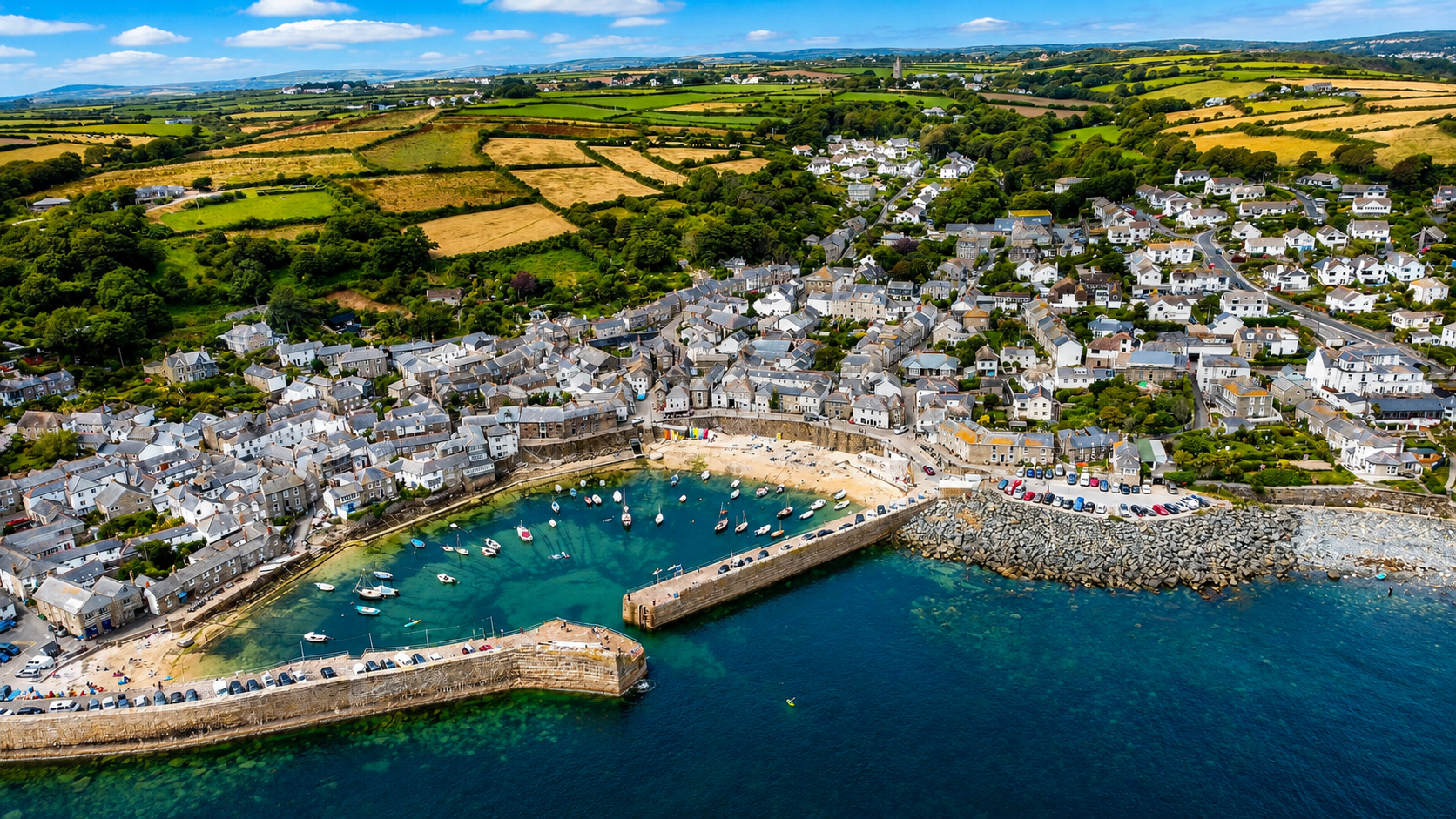
Mousehole gives you postcard charm, but go gently because it is small and easily overwhelmed.
Truro gives you the cathedral, shopping, cafés and a useful central option when the weather turns.
The trick is to stop treating towns as parking problems between “proper things to do”. Choose one and give it space. Walk the harbour. Find the independent shops. Eat something local. Notice the working parts, not just the pretty parts.
Cornwall’s towns are where the visitor economy and real life meet. Good visitors understand that.
Best things to do in Cornwall with kids
For families, I would prioritise days that have space, facilities and a clear reward.
Good choices include:
- Beaches with lifeguards and toilets.
- Eden Project.
- The Lost Gardens of Heligan.
- Lanhydrock.
- The Camel Trail.
- National Maritime Museum Cornwall.
- Easy ferry trips.
- Rockpooling where it is safe.
- Short coast walks with a beach, ice cream or pub at the end.
Do not overplan children in Cornwall. The beach, a bucket, chips, a pasty, a ferry and a good ice cream can beat an expensive itinerary.
But do plan the practical bits: toilets, tides, parking, food, shade, wind, and whether the walk back up from the beach is going to cause a mutiny.
That last one matters more than people think.
Best things to do in Cornwall when it rains
Rain does not ruin Cornwall, but it does change the best choices.
Eden is strong in poor weather because of the biomes. Museums and galleries work well in Falmouth, St Ives and Penzance. Pubs become more important. Gardens can still be beautiful in drizzle if you have a coat and decent shoes. Harbour towns can be atmospheric rather than bleak if you slow down and stop trying to force a beach day.
Good rainy day options include:
- Eden Project for the biomes and all-weather scale.
- National Maritime Museum Cornwall in Falmouth.
- Tate St Ives for art and sea views without needing a perfect beach day.
- Penzance and Chapel Street for shops, cafés and character.
- A proper pub lunch after a shorter walk.
- Cornish gardens if the rain is light and you have decent waterproofs.
What I would avoid is driving miles in heavy rain just to tick off a view you cannot see.
Save the cliff-edge drama for clearer weather and use wet days for food, culture, gardens, shops, museums and pubs.
Best free things to do in Cornwall
Some of Cornwall’s best experiences cost nothing beyond parking, transport or the food you choose to buy.
Walk the coast path. Sit above a harbour. Watch the tide at Marazion. Explore a town slowly. Go rockpooling where it is safe. Walk on Bodmin Moor. Visit a beach outside peak sunbathing hours. Find a sunset point. Take your pasty somewhere with a view. Watch fishing boats come and go. Follow a creek path. Sit in an old village churchyard and let the place settle around you.
Good free or low-cost Cornwall ideas include:
- Coast path walks
- Harbour wandering
- Beach sunsets
- Bodmin Moor walks
- Rockpooling at suitable beaches
- Town walks in Falmouth, St Ives, Penzance, Truro and Padstow
- Watching the causeway appear at Marazion
- Taking a pasty somewhere scenic instead of booking a full lunch
Cornwall does not have to be expensive every day.
The trick is knowing when to pay for the big experience and when to let the place itself do the work.
Best things to do in Cornwall without a car
Cornwall is easier with a car, but you can still have a strong trip without one if you choose your base carefully.
For car-free Cornwall, I would lean towards Falmouth, St Ives, Penzance, Truro or Newquay rather than a remote cottage down a lane. These towns give you better access to trains, buses, beaches, food, shops and day trips without needing to drive every time you want a coffee or a swim.
Good car-free ideas include:
- Base yourself in Falmouth for beaches, ferries, food and the maritime museum.
- Use St Ives for beaches, art and coastal walking without needing much movement.
- Stay around Penzance for Marazion, St Michael’s Mount, Newlyn, Mousehole and west Cornwall connections.
- Use the train into St Ives rather than fighting town-centre parking.
- Pick ferry days from Falmouth when services are running.
- Choose one walk, one town and one food stop rather than trying to cover half the county.
Without a car, the rule is even more important: pick a cluster and stay honest about travel time.
Do Cornwall by season
Cornwall changes a lot through the year.
Summer is beach season, festival season, long-evening season and crowd season. Book key attractions and meals ahead, travel early or later in the day, and do not try to move around too much on peak changeover days.
Spring is one of the best times for gardens, coast walks, quieter towns and fresh weather. You may not get guaranteed heat, but you get colour, space and easier parking.
Autumn is excellent for walking, food, surf, quieter beaches and dramatic light. The sea often holds some warmth after summer, but lifeguard cover varies by beach and date, so plan beach days properly.
Winter is not for everyone, but it can be brilliant if you want pubs, storm-watching, empty paths, Christmas lights, moorland, harbour towns and a more local rhythm. Some attractions, cafés and seasonal services reduce hours, so do not assume everything runs as it does in August.
The best season depends on what you want. Cornwall does not only work in summer. It just works differently.
What I would do on a first Cornwall trip
If it is your first proper Cornwall visit, I would not try to cover the whole county.
Pick a base and build around it.
For west Cornwall, combine St Ives, Penzance, St Michael’s Mount, Mousehole, the Minack, Porthcurno, Sennen and the Tin Coast.
For north Cornwall, combine Padstow, the Camel Trail, Polzeath, Port Isaac, Tintagel, Boscastle and Bodmin Moor.
For south Cornwall, combine Falmouth, the Helford, Trebah, Glendurgan, St Mawes, the Roseland, Charlestown, Heligan and Eden.
For Newquay and the central north coast, combine surf beaches, coastal walks, St Agnes, Perranporth, Holywell Bay, Crantock and food-led town visits.
That is how Cornwall works best: in clusters.
The county looks small until you are behind a tractor on a summer lane with a dinner booking on the wrong coast.
FAQs about the best things to do in Cornwall
What is the number one thing to do in Cornwall?
There is no single number one thing to do in Cornwall for everyone. If I had to choose one broad answer, I would say walk part of the coast, eat a proper Cornish pasty, and build the day around a beach, harbour or pub that fits where you are staying. That gives you a better feel for Cornwall than racing to one attraction and leaving.
For a major paid attraction, the Eden Project is one of the strongest first-time choices because it works for different ages and in mixed weather.
What are the best places to visit in Cornwall for a first trip?
For a first trip to Cornwall, I would look at St Ives, Falmouth, Padstow, Penzance, St Michael’s Mount, the Eden Project, the Lost Gardens of Heligan, Tintagel Castle, the Minack Theatre and one good coast path walk. Do not try to do them all from one base unless you have enough time. Cornwall works better when you group places by area.
What are the best free things to do in Cornwall?
The best free things to do in Cornwall are coast path walks, beach visits, harbour wandering, moorland walks, town exploring, sunsets, rockpooling where safe, and watching the tide around places like Marazion. Some days only need a pasty, a good view and enough time to enjoy both.
What are the best things to do in Cornwall with kids?
For children, I would choose beaches with facilities and lifeguards, Eden Project, Heligan, Lanhydrock, the Camel Trail, National Maritime Museum Cornwall, easy ferry trips, rockpooling and short coast walks with a clear reward at the end. The best family days are usually simple, safe and not overplanned.
What can you do in Cornwall when it rains?
Good rainy day options in Cornwall include Eden Project, museums, galleries, pub lunches, garden walks in light rain, harbour towns, independent shops and shorter sheltered walks. Do not force a cliff-view day in heavy rain if visibility is poor. Use wet weather for food, culture, gardens and slower town days.
Is Cornwall better for beaches or attractions?
Cornwall is best when you mix both. The beaches and coast give you the feeling of the place, while attractions like Eden, Heligan, the Minack, Tintagel and St Michael’s Mount add structure and story. A trip that only does attractions can feel rushed. A trip that only does beaches can fall apart in bad weather. The balance is the win.
Where should I go in Cornwall without a car?
Falmouth, St Ives, Penzance, Truro and Newquay are among the better Cornwall bases without a car because they give you more access to trains, buses, beaches, shops, food and local walks. Falmouth is especially useful because ferries can open up extra day trips when services are running.
How many days do you need in Cornwall?
You can enjoy Cornwall in a weekend, but you need to choose one area and stay focused. For a fuller trip, give yourself enough time to do a beach day, a coast walk, a town day, one major attraction, one food-led day and one slower weather-flexible day. The mistake is not coming for too short a time. The mistake is trying to cover too much.
What is the best month to visit Cornwall?
The best month depends on what you want. Spring is excellent for gardens and quieter walks. Summer gives you the classic beach holiday, but it is busier. Autumn is strong for walking, food and surf. Winter can be brilliant for pubs, storm-watching and quieter towns, but some seasonal services reduce.
What should you not miss in Cornwall?
Do not miss the coast, a proper Cornish pasty, a working harbour, a good pub, at least one garden, and one place that tells you something about Cornwall’s history beyond tourism. For me, that means making room for the mining landscape as well as the beaches.
Final thoughts: the best thing to do in Cornwall is choose properly
The best things to do in Cornwall are not just the biggest attractions or the most photographed beaches.
They are the things that fit the day, the weather, the tide, the season and the part of Cornwall you are actually in.
Go to Eden, but do not miss the coast. Go to the beach, but respect the sea. Eat the pasty, but understand why it matters. Visit St Ives, but do not reduce Cornwall to one pretty town. Walk the cliffs, but leave time for the pub. See the famous places, but make room for the quieter ones.
That is where Cornwall gets under your skin.
Not when you rush around collecting names, but when you choose well enough to feel the place properly.