If you’re looking for the best places to stay in Cornwall, the real question is: what’s the right base for your trip? A place that works for your group, your budget and how you actually like to spend your time.
Cornwall isn’t huge on the map, but once you’re here the roads, traffic and distances can catch people out. Pick the wrong spot and you’ll spend half your holiday in the car or fighting for parking.
This guide walks through the main areas of Cornwall in plain English, then matches them to different types of trips, so you can choose a base that makes sense instead of just chasing pretty pictures.
Quick shortlist: best places to stay in Cornwall (pick one and build from there)
If you want a straight answer without reading a whole guide, start here. These bases cover most trips and they’re easy to plan around.
If it’s your first trip and you want it simple, look at Newquay, Falmouth, or St Ives / Carbis Bay. They’ve got beaches, food and enough going on that you won’t be forced into long drives every day.
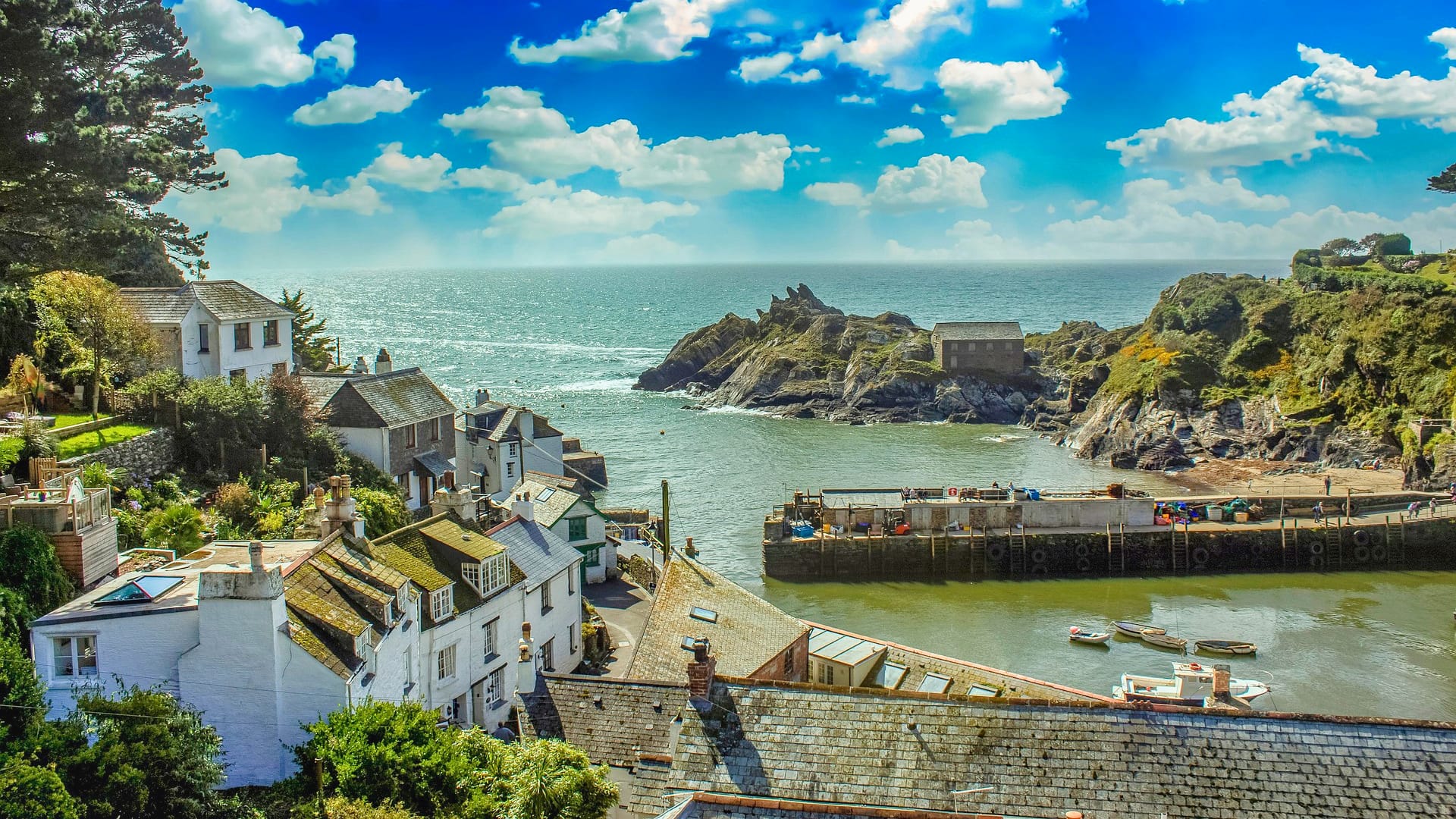
If you want classic harbour-town Cornwall, look at Padstow, Fowey, Looe, Mevagissey, Mousehole or Polperro. They’re lovely, but expect hills, tight streets and parking faff in summer.
If you want far west scenery without being stuck in a tiny village, base yourself in Penzance (or nearby Newlyn) and explore from there. It’s more practical than staying right in the smallest places, but you still get the far west on your doorstep.
If you want a quiet, outdoors-first trip, look at St Just, Sennen, Pendeen, Zennor, or the Lizard area. These suit walkers and people who don’t need loads of nightlife and choice.
If you want a practical touring base (day trips in different directions), choose Truro or central villages nearby. You’ll drive to beaches, but you’ll waste less time zig-zagging.
If you’re coming without a car, keep it realistic and stick to Falmouth, Penzance, Newquay, or St Ives (all workable by train/bus with enough on the doorstep).
Before You Book: Get Clear on What You Actually Need
To choose the best base in Cornwall, you first need to be honest about what you actually need from it. There’s no one “best” place to stay — it depends on your group, your plans and how much hassle you’re prepared to put up with.
A good base is somewhere that fits how you travel: how much you like driving, how much you want on the doorstep, and how fussy you are about where you sleep. Sorting this now will save you a lot of stress later.
Before you open any booking site, get clear on a few basics. Cornwall with a car and Cornwall without a car are two different trips, and a long weekend needs a tighter base than a full week.
Quick checklist before you book:
Do you have a car?
How long are you here?
Who are you travelling with (kids/teens/older relatives)?
Do you want buzz and choice in the evenings, or quiet?
What month are you coming?
What’s your real budget and standards?
Keep those answers in mind as we go through the areas and trip types. They’ll help you rule places in or out quickly.
Cornwall in Simple Chunks (So You Don’t End Up in the Wrong Spot)
You can think of Cornwall in four simple chunks: north coast, south coast, far west, and central/inland. Each has its own feel, weather quirks and practical realities.
The best way to choose where to stay in Cornwall is to pick the kind of Cornwall you want first, then narrow down to a specific town or village in that bit.
North coast – big beaches and surfy feel
The north coast is what many people picture when they think of Cornwall: long sandy beaches, Atlantic waves, cliffs and sunsets. It’s great for surfing, beach days and clifftop walks, and bases like Newquay, Padstow and Bude put you close to that.
On the flip side, it can feel more exposed in rough weather, and the headline spots get very crowded in the school holidays. Parking near the most popular beaches can be stressful if you don’t go early, and coastal car parks fill up fast on hot days.
South coast – calmer seas and sheltered harbours
The south coast is generally more sheltered, with calmer water, wooded creeks and pretty harbour towns. Bases like Falmouth, Fowey, Looe, and the Mevagissey / Charlestown side suit boat trips, gardens, gentler walks and mixed-age days out.
It can feel gentler and a bit less “in your face” than the north. If you’re not bothered about surfing and you like harbours, rivers and coves, the south coast can be a better fit. Just remember some beaches are shingle or mixed rather than pure sand.
Far west – wild and remote
The far west, around Land’s End and the Penwith peninsula, feels like the end of the line. Think dramatic cliffs, small coves, old mining stacks, and places like St Ives, Penzance, Mousehole, Sennen and St Just.
It’s brilliant if you love walking and wild scenery. The compromise is that once you’re there, you’re there — it’s a long haul to anywhere else in Cornwall, and some of the minor roads are narrow and slow with limited passing places.
Central & inland – practical bases, less “seaside”
The central and inland areas don’t give you the classic “step out onto the sand” feel, but they can be very practical bases. You tend to get better road links, easier parking and more normal pricing, which is why Truro and the central villages around it work well for touring.
They suit people who want to do day trips in different directions rather than sit in one resort. If your heart is set on opening the curtains to a sea view every morning, this won’t scratch that itch. If you like the idea of choosing north or south based on the weather, it can be a smart move.
North Coast Bases
Newquay & nearby
Newquay is one of the easiest bases in Cornwall, especially if you’re flying in or coming by train. You’ve got several beaches, surf schools, supermarkets, bars, family attractions and a decent bus network in one place.
It’s ideal if you want a proper “seaside holiday” with plenty of choice and you don’t want to drive every day. In peak season it’s busy, there’s traffic around town, and parking is competitive near the best-known beaches, so it pays to be early.
If you want quieter evenings, either choose a calmer part of Newquay or stay in a nearby village and drive in. That way you can still use Newquay’s beaches and food without being right in the middle of it.
Padstow & the Camel Estuary
Padstow and the Camel Estuary are a strong base if you like harbours, food and easy walking. Padstow itself has a busy harbour, the ferry across to Rock, and the Camel Trail for flat cycling along the estuary.
You’re well placed for beach days along the estuary and out towards the north coast, but you will likely be driving or hopping on the ferry rather than strolling to the sand. Prices reflect how popular it is, and summer days can feel packed.
The surrounding villages can give you easier parking and a quieter base while still using Padstow for food, shops and day trips.
Bude and the north-east corner
Bude is a straightforward family base. You get beaches, a sea pool, town facilities, big car parks and easier road access to and from the rest of the UK than deeper into Cornwall.
It’s a solid choice if you want beaches and walks without spending your whole week on narrow lanes. The catch is that you’re a fair way from the more famous far-west spots like St Ives or Land’s End.
Don’t pick Bude if you’re hoping to “pop down” to the far west in an afternoon. It can be done, but it’s not a relaxing day trip in peak season.
Far West Bases
St Ives & Carbis Bay
St Ives is one of the big names when people talk about the best places to stay in Cornwall. You’ve got lovely beaches, cobbled streets, galleries and a proper holiday buzz, and Carbis Bay next door shares the same coastline with a slightly calmer feel.
If you want classic Cornwall views and you don’t mind crowds, it’s a very strong base. But you do need a plan for transport and parking because the streets are tight and steep and car parks get rammed in peak season.
Many visitors use the park-and-ride train from St Erth or stay in Carbis Bay and use the branch line, then walk the coast path back. It’s often easier than trying to fight your way into town by car every day.
Penzance, Newlyn & Mousehole
Penzance, Newlyn and Mousehole work well if you want to explore the far west without being tied to one tiny resort. Penzance has the mainline train and the practical stuff; Newlyn and Mousehole give you more of the fishing-village feel.
From this stretch you’re well placed for St Michael’s Mount, Sennen, Land’s End, the Minack Theatre and the wild coast paths. Beaches are less of a focus here than around St Ives, though you’ve still got options within a short drive.
If you want sandy beaches right on your doorstep, choose carefully. If you want a good base for the far west that still feels “liveable”, this area works well.
Sennen, St Just & the wild bits
Sennen, St Just and the smaller villages around the far west are for people who really like it wild and remote. The walking is some of the best in Cornwall and the scenery is dramatic.
The downside is that facilities are limited and spread out. Roads can be narrow and slow, and if the weather closes in you’ll be glad of a good book and a decent fire.
Great for walkers and photographers. Not ideal if you need soft play, big supermarkets and a choice of restaurants within ten minutes.
South Coast Bases
Falmouth & around
Falmouth is one of the liveliest south coast towns. You’ve got beaches, a working harbour, a university, restaurants, bars and ferries across the Fal and Carrick Roads.
It’s easy to fill days without going far, and you can leave the car parked more often than not. That’s a big deal in summer when driving can feel like the whole holiday.
It’s a good base if you like a bit of life in the evenings and the option of boat trips, galleries and events. If you’d like quieter nights but still want to use Falmouth, some nearby villages can work — just factor in narrow lanes and more limited parking.
Helston & The Lizard villages
Helston is a practical small town just inland, with the Lizard peninsula spread out below it. Around the Lizard you’ll find some of Cornwall’s most beautiful coves and coastal walks, but they are spread out and you’ll almost always be driving to them.
This area suits people who don’t mind hopping in the car most days and like finding tucked-away spots. Don’t expect late-night life or big supermarkets right by the beach.
Roads on the Lizard can be tight and slow in summer, and some car parks are small, so early starts help.
St Austell Bay & the Mevagissey side
The St Austell Bay area gives you a mix of beaches, big-name gardens, attractions and pretty fishing villages like Mevagissey and Charlestown. It’s a good base for a mixed holiday of beach, gardens and day trips without being too far west.
Some parts of St Austell itself are more “normal town” than picture-postcard, which is a plus if you want supermarkets and services. You can choose between staying in town for convenience or in one of the smaller coastal villages for more of a holiday feel.
Either way, you’re in a useful location for splitting your time between coast, gardens and day trips.
Looe, Polperro & south-east Cornwall
South-east Cornwall, around Looe and Polperro, is one of the easier areas to reach from the rest of the UK. Looe has a family seaside feel with a beach, harbour and plenty of food options.
Polperro is a tighter, older fishing village with narrow streets, limited parking and a car park up the hill. It’s charming, but it’s not always convenient, especially with buggies or anyone who struggles with steep walks.
It’s a good area for shorter breaks if you don’t want to spend hours driving deeper into Cornwall. You’re not close to Land’s End or St Ives, but you can still mix coast, countryside and day trips.
Central & Rural Bases
Truro & central villages
Truro is Cornwall’s only city. It’s small but has decent shops, restaurants, a cathedral and reasonable road links in all directions.
Staying in or near Truro is a sensible choice if you want to tour around and don’t mind driving to beaches and attractions most days. It can also be a smart choice if you want to decide north or south each morning based on the weather.
Central villages around Truro give you more peace and countryside, but obviously less going on on your doorstep. Think about how many evenings you want to wander out to a pub or restaurant versus staying in and cooking.
Bodmin Moor & inland areas
Staying near Bodmin Moor or rural inland spots suits people who like walking, dark skies and quiet lanes. You can reach both coasts from here and you’re close to main roads, but it’s not a “wander down to the harbour” sort of break.
If you picture early mornings with a flask on the moor and don’t mind driving out for most things, it can be a good-value base. If you want a Cornish harbour or beach at the end of the road, this isn’t the right area.
Best Bases for Different Types of Trip
Where should I stay in Cornwall for the first time?
For a first visit, you’ll usually be happiest in a base that gives you beaches, food, and easy day trips without silly drive times. You don’t need to be in the most remote spot to “see the real Cornwall”.
Good first-time bases include Newquay, Falmouth, and St Ives/Carbis Bay. They’re popular for a reason: they make the holiday easier.
If narrow lanes and busy car parks make you nervous, lean towards Newquay or Falmouth rather than the far west villages or deep countryside.
Best places to stay in Cornwall for short breaks and long weekends
For 2–4 nights, you want to spend your time on foot, on the beach or on the coast path, not crawling along in traffic.
Falmouth is one of the safest choices because it works even when the weather isn’t perfect. St Ives can be brilliant for a short break as long as you plan transport and don’t assume you’ll park easily at midday. Padstow is great for food and easy walks, and Looe works well if you want a simpler south-east base with less driving.
In winter or shoulder season, pick somewhere that feels alive year-round. A tiny resort that’s half shut can feel bleak if the weather turns.
Best places to stay in Cornwall with kids
With kids, the big priorities are simple: beaches, food, toilets and not too much faff. Long hunts for parking and steep, crowded streets get old quickly when you’re carrying buckets, towels and snacks.
Newquay is one of the easiest family bases because it has multiple beaches and plenty of practical stuff nearby. Bude is another solid choice for a straightforward week with beaches, town facilities and less narrow-lane stress. Looe can also work well for classic seaside days without the “far west mission”.
You can still enjoy places like St Ives or small Lizard villages with kids. Just think honestly about hills, access, buggy-pushing and how your children cope with crowds and heat.
Best places to stay in Cornwall for couples
For a couples’ break, you might care more about views, walks and good food than a long list of attractions.
St Ives, Mousehole, Mevagissey and Polperro are great if you like classic harbour places and don’t mind hills and parking compromises. Falmouth is better if you want more choice in restaurants and evenings out without relying on a single pub.
If you want peace and early nights, smaller Lizard or far-west villages can be perfect. Just be honest about how remote you want to be once it’s dark and raining.
Best places to stay in Cornwall without a car
If you’re coming by train or you just don’t want to drive much, you need a base with decent transport and enough on the doorstep that you’re not stuck.
Falmouth works well because you can get there via Truro, and once you’re there you’ve got buses, ferries and plenty within walking distance. Penzance is practical because it’s the end of the mainline and it connects well to the far west by bus. Newquay and St Ives can also work, as long as you plan around timetables and accept a slower pace.
You can do a no-car trip from smaller places, but it becomes a juggling act, especially in bad weather or outside peak timetable season.
Best places to stay in Cornwall for walking and outdoors
If the main point of your trip is being outside, choose your base around the coast you want to walk, not just the prettiest photo.
The far west around St Just, Pendeen and the Zennor side suits big scenery and rugged coast path days. The Lizard peninsula is another strong option for variety, coves and coastal loops. The north coast can be brilliant too, but it’s more exposed on rough days.
If you’re a beginner surfer, staying near Newquay makes a lot more sense than driving miles to random beaches you don’t know.
Best places to stay in Cornwall in winter and off-season
Out of season, your priorities change. You need somewhere that still feels alive when the weather is rough and the evenings draw in early.
Falmouth, Newquay, Penzance and Truro are the safer winter bases because they have more year-round places to eat, shop and do. St Ives can still be lovely, but it’s quieter and some places do close, so check what’s open within a short walk or short drive.
Types of Places to Stay (and Who They Really Suit)
Choosing the right type of place matters just as much as the town or village. The best places to stay in Cornwall for you might be a basic flat with parking, not the prettiest hotel on the harbour.
Holiday cottages & flats
Holiday cottages and flats give you space and a home base. They’re brilliant for families and longer stays, especially if you like having your own kitchen and living room.
The flip side is you’re doing the cooking and the washing up yourself. In peak season, cottages in prime spots can be pricey and book up early, especially if you want sea views and parking right outside.
Hotels & inns
Hotels and inns work well if you want things done for you. They’re good for couples, shorter stays and off-season breaks when you don’t want to wrestle with self-catering.
They can be more expensive per night, especially in big-name towns with harbour or sea views. If you’re only in Cornwall for three or four nights, paying for convenience can be worth it.
B&Bs & guesthouses
B&Bs and guesthouses sit between cottages and hotels. You usually get a friendly host, a decent breakfast and a more personal feel.
Just check the location and parking carefully. Some lovely B&Bs are in steep or tight streets where you might prefer to park once and walk for the rest of the day.
Holiday parks & resorts
Holiday parks and resorts are very practical with younger families. You often get pools, play areas and on-site facilities, so you’re less dependent on the weather.
They can feel less “local Cornwall” than small villages, and some are a drive from the coast path or harbour towns. Great for easy family logistics, less ideal if you’re chasing quiet pubs and coastal walks.
Camping, glamping & campervans
Camping, glamping and campervans can give you some of the best mornings and some of the trickiest logistics. Waking up to a sea view is hard to beat.
You do need to be realistic about weather, facilities and access. Check how exposed the site is, what the showers and loos are like, and how tight the approach lanes are, especially in a bigger campervan.
Hostels & budget stays
Hostels and budget stays suit walkers, surfers, younger travellers and anyone who’d rather spend money on food and days out than accommodation.
Look closely at location, check-in times, and whether you’ve got secure storage for boards or kit. The right hostel in the right place can be a brilliant base.
Easy Mistakes People Make When Picking a Base
A lot of holiday stress in Cornwall starts with choosing the wrong base for the wrong reasons. The biggest mistake is underestimating drive times, then trying to do Cornwall end-to-end from one far corner.
Parking and access is the next one. That cute cottage photo doesn’t show the lane leading to it, or the fact you’ll be reverse-parking on a hedge-lined road.
The third mistake is choosing somewhere too remote for your group. A quiet cottage can be perfect, or it can be a pain if you’re doing 20 minutes in the car for every pint of milk and everyone’s bored by 7pm.
Season matters too. A tiny resort that’s magical in August can feel shut and bleak in February, and a lively town can feel absolutely rammed in the school holidays.
A Simple Way to Narrow It Down
If your head’s spinning, here’s a simple way to choose the best place to stay in Cornwall without overthinking it.
First, pick your coast or general area. Decide whether you’re drawn to north coast surf and big beaches, south coast harbours and creeks, the wild far west, or a central touring base.
Next, choose a hub town or village that fits your group. Think about how much you want within walking distance and how much driving you’re happy to do on a normal day.
Then match it to your type of trip above, and cross off anything that obviously doesn’t fit. After that, pick the accommodation type that suits you and do a few final checks on parking, access, walkability, and what’s open if you’re coming off-season.
Once a place ticks those boxes, don’t tie yourself in knots over tiny differences. Cornwall is about how you spend your days as much as the postcode you sleep in.
Quick Recap & What to Do Next
If you want easy first-time Cornwall, start with Newquay, Falmouth or St Ives / Carbis Bay. If you want harbour-town Cornwall, look at Padstow, Fowey, Looe, Mevagissey, Mousehole or Polperro, and accept the parking and hills.
If you want far west scenery without making life hard, base yourself around Penzance / Newlyn. If you want it wilder and quieter, look at Sennen, St Just, Pendeen or Zennor, as long as you’re happy with fewer facilities.
If you want a practical base for touring, choose Truro or central villages nearby. If you’re without a car, stick to Falmouth, Penzance, Newquay or St Ives.
From here, your next step is to drill down into specific neighbourhoods and villages, then pick actual accommodation that fits your dates, parking needs and budget. Get the base right, and the rest of Cornwall becomes much easier — and a lot less stressful.