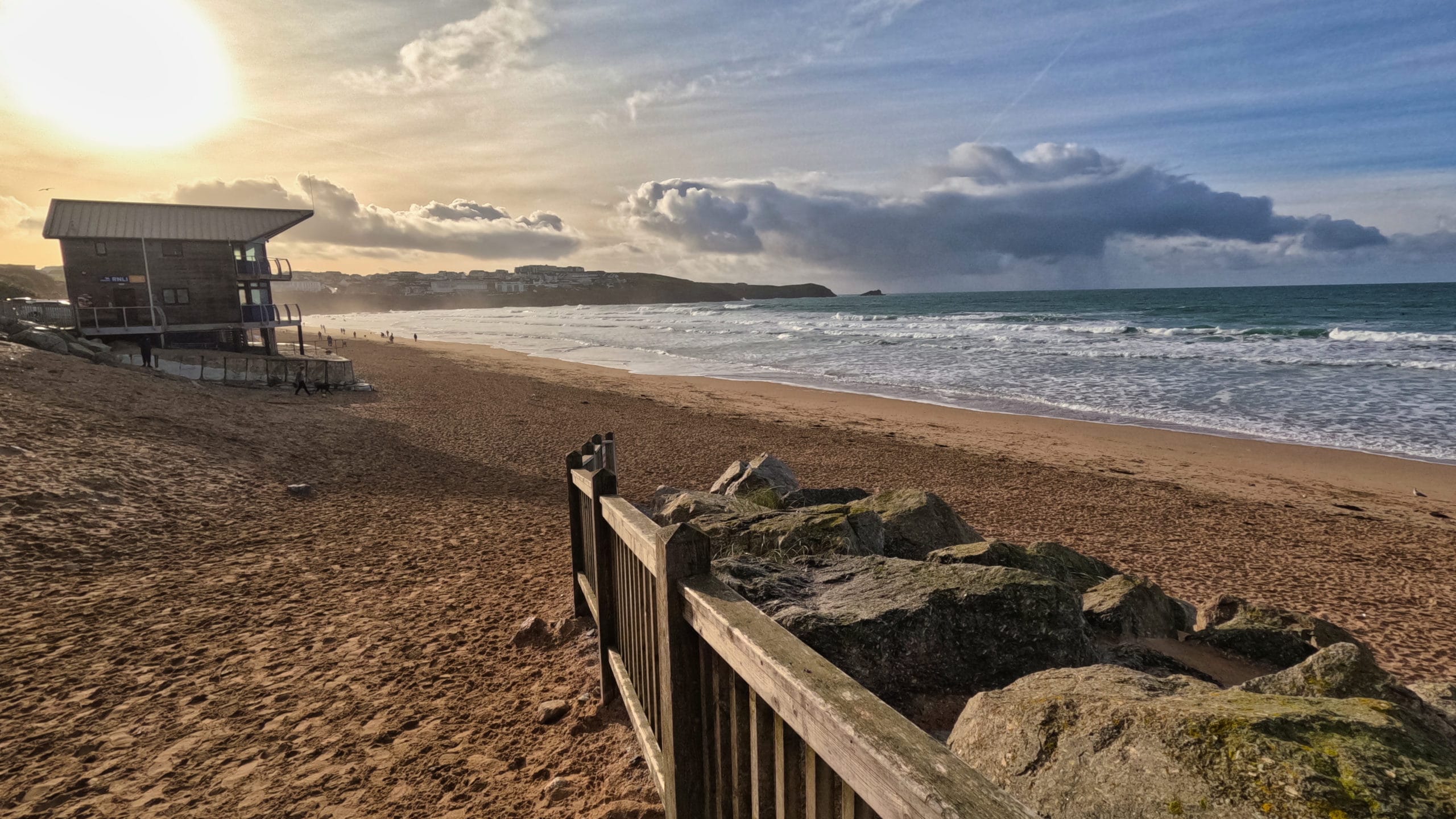
If you’re trying to work out the “best beaches in Cornwall”, you’ve already hit the main problem: there are loads of good ones, and the photos all look great. This guide is for the person actually planning the day out. I’ll keep it simple, split it by coast, and help you choose based on your base, your group, and the weather you actually get. By the end, you’ll have a shortlist you can use today, not a vague idea that “Cornwall has nice beaches”.
What are the best beaches in Cornwall?
If you only want names you can act on, start here. These are reliable, well-known beaches that cover the main “types” of Cornwall beach days.
North coast (big sand + surf vibe)
Fistral (Newquay)
Crantock (near Newquay)
Watergate Bay
Perranporth
Holywell Bay
Harlyn Bay (Padstow side)
Polzeath
Widemouth Bay (Bude)
South coast (shelter + calmer swims)
Whitsand Bay
Gyllyngvase (Falmouth)
Swanpool (Falmouth)
Maenporth (near Falmouth)
Pentewan Sands
Praa Sands
West Cornwall (the “wow” ones)
Porthminster (St Ives)
Porthmeor (St Ives)
Gwithian / The Towans (Hayle side)
Sennen Cove
Porthcurno
Pedn Vounder
That’s enough for most trips. Once you’ve done a couple, you can branch out into smaller coves and quieter corners with a bit more confidence.
Best beaches in Cornwall for families
For family beach days, the “best” beach is usually the one that keeps life simple. You want short walks, nearby toilets, and somewhere to grab food without trekking back to the car. Good, dependable family picks are Crantock, Watergate Bay, Widemouth Bay, Gyllyngvase, Swanpool, and Porthminster. They’re popular because they reduce stress, not because they’re secret.
Best beaches in Cornwall for surfing and bodyboarding
If you’re coming for waves, the north and west coasts usually win. They’re more exposed, which is great when it’s working and grim when it’s windy and messy. Strong surf-and-bodyboard picks are Fistral, Perranporth, Polzeath, Sennen Cove, and Porthmeor. If the sea looks lively but you’re not experienced, stick to lifeguarded areas in season and don’t ignore the flags.
Which coast in Cornwall is best for beaches?
There isn’t one “best” coast in Cornwall. The north, south and west coasts each suit different types of days and different people. In simple terms, the north coast is best for big sandy beaches and a proper Atlantic feel. The south coast is better for calmer water, sheltered bays and easier swimming days. West Cornwall is where you get the biggest “wow” factor, but it’s also where parking and effort matter most. A decent rule is to pick the coast that matches the wind. If the north is getting battered, the south can feel like a completely different day out.
How do I choose the right beach in Cornwall?
The right beach isn’t the most famous name. It’s the one that matches your group, the forecast, and how much hassle you’re willing to tolerate. If you do one thing, choose a beach that’s realistic for your day. A stunning place is no fun if you arrive late, can’t park, and spend the day stressed.
1) Start with where you’re staying
If you’re based near Newquay, St Ives, Penzance, Falmouth or Looe, you already have strong beaches close by. You don’t need to drive across the county to “do the best one”. If you’re inland around Truro or Bodmin, you can pick north or south depending on wind direction. That flexibility is genuinely useful in Cornwall.
2) Be honest about your group
With young kids, long steep walks and awkward access can ruin the day fast. With older relatives, flights of steps and big soft-sand treks can turn a “nice beach day” into hard work. If it’s adults only, you can often trade convenience for a quieter feel. Just do it knowingly, not by accident.
3) Decide what kind of day you actually want
Some people want “park, sand, swim, snack, repeat”. Others want a coast path walk and a swim as a reward. The first sort of day suits bigger beaches and town beaches. The second suits quieter spots, but only if your group is up for the extra effort.
4) Don’t ignore wind, tide and timing
Wind changes everything, especially on the north coast. A sunny forecast can still feel grim if it’s blowing straight onshore. Tide matters too. Some beaches stay roomy at high tide, while others shrink fast and feel packed even when they’re not that busy. If you want maximum sand time, aim for mid-tide dropping towards low tide.
North Coast: big beaches, waves and classic Cornwall beach days
If you picture long sand, dunes and surf when you think of Cornwall, you’re probably thinking of the north coast. It’s brilliant when it’s calm, and it can feel like hard work when it’s windy. For a simple north-coast shortlist, think Newquay area, then Perranporth/Holywell, then Padstow side, then Bude side for an easy all-rounder. Around Newquay, Fistral, Crantock and Watergate Bay cover most people’s needs. Fistral is the surf-and-buzz option, Crantock often feels a bit calmer and more spacious, and Watergate is a big bay that works well for groups. If you want sheer scale and room at low tide, Perranporth is the obvious shout. If you want dunes and that classic “Cornwall beach” feel, Holywell Bay is a strong pick, but it can be busy in peak season. On the Padstow side, Harlyn Bay is a solid all-rounder for a more swim-and-paddle day. Polzeath is famous for a reason, but it’s also one of the places where parking and crowds can hit hardest on sunny days. Up towards Bude, Widemouth Bay is the straightforward “proper beach day” option. It’s a good choice when you want to keep things simple and still feel like you’ve got a big open beach.
South Coast: calmer water, sheltered bays and easier swims
The south coast often feels softer and more sheltered. You won’t usually get the same surf, but you do get calmer water on the right day. If you want a simple shortlist, split it into south east, Falmouth area, and mid-south sandy beaches. In the south east, Whitsand Bay is the big name. The sand is great, but the access can be steep, and that matters a lot at the end of the day when everyone’s tired. Around Falmouth, the easiest, most practical picks are Gyllyngvase and Swanpool. If you want something calmer nearby with a slightly quieter feel, Maenporth is a good step in that direction. For bigger, classic sandy beach days on the south coast, Pentewan Sands and Praa Sands are good names to know. They can be great options when the north coast is too wild.
West Cornwall: the “wow” beaches (great, but plan them properly)
West Cornwall is where beaches can look unreal in the right conditions. It’s also where tiny car parks and peak-season crowds can turn a day into a mission. If you want the west-coast shortlist without overthinking it, remember St Ives beaches, Gwithian/Towans for space, then Sennen/Porthcurno/Pedn Vounder for the big scenery days. In St Ives, the classic pair is Porthminster and Porthmeor. Porthminster is the easier “classic beach day” feel, while Porthmeor leans more surf-and-atmosphere, especially later in the day. If you want more space than the town beaches, Gwithian / The Towans is the one to remember. It’s a big stretch where you can often find room even when the hotspots feel packed. Further west, Sennen Cove is the practical big-beach option. For pure scenery, Porthcurno and Pedn Vounder are the famous ones, but they’re only enjoyable if you treat them like a popular attraction and get there early.
Best beaches in Cornwall near Newquay, St Ives, Falmouth and Looe
If you’re near Newquay, pick from Fistral, Crantock or Watergate Bay depending on whether you want surf, space or an easy group day. If you’re near Padstow, aim for Harlyn Bay or Polzeath and go early in peak season. If you’re near St Ives, choose Porthminster or Porthmeor for town beaches, or head to Gwithian / The Towans if you want breathing room. If you’re near Penzance, keep Sennen Cove as your reliable big beach and save Porthcurno / Pedn Vounder for a calm forecast day. If you’re near Falmouth, keep it simple with Gyllyngvase, Swanpool or Maenporth. If you’re in the south east, commit to Whitsand Bay when you’re up for the climb, and don’t pretend it’s a quick easy one.
Final thoughts: you don’t need one “best beach”
You’re not going to do every famous beach in one trip, and you don’t need to. You just need a handful of beach days that suit your base, your group and the weather you actually get.
If you remember nothing else, do this: pick a coast that matches the wind, pick a beach that matches your people, and arrive earlier than you think on peak days. Do that and Cornwall’s beaches stop feeling confusing and start feeling easy.